





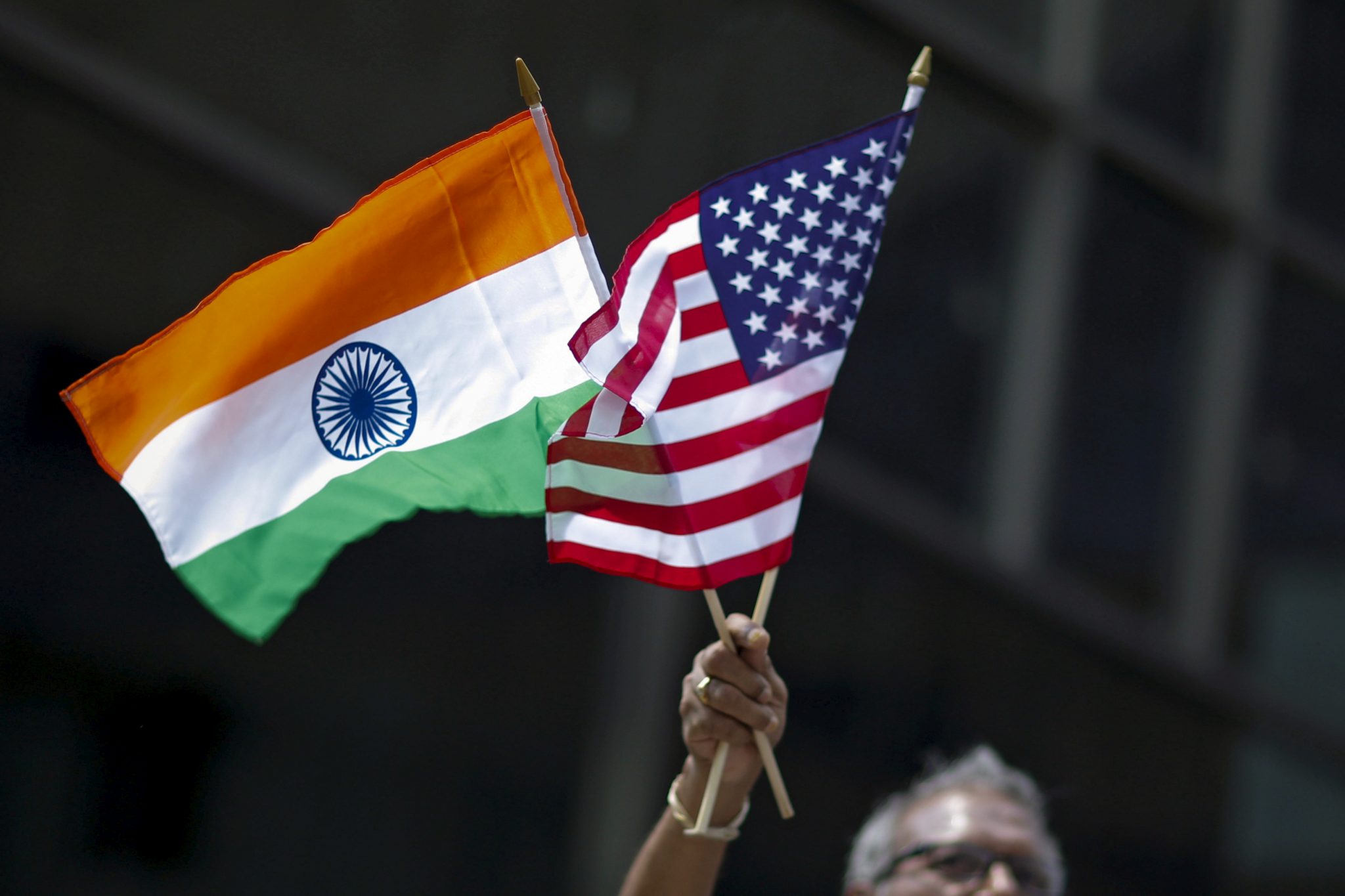
US President Donald Trump has issued an executive order imposing an additional 25% tariff on a wide range of Indian goods, citing New Delhi’s ongoing imports of Russian oil. This drastic action follows the collapse of trade negotiations between the two nations and marks a significant escalation in their economic relationship. With tariffs now climbing to as high as 50% on some products, these measures are among the most severe faced by any US trading partner.
The ramifications of this order will likely hit India’s key export sectors hard, particularly textiles, footwear, and gems and jewellery. This represents the most serious downturn in US-India relations since Trump assumed office in January, while coinciding with Indian Prime Minister Narendra Modi’s planned visit to China—a development that may signal a realignment of alliances as ties with the US fray.
India’s external affairs ministry responded resolutely to the tariffs, asserting that it is “extremely unfortunate” for the US to impose such measures on India for actions that other countries are also undertaking in their respective national interests. The ministry clarified that India’s imports are driven by market dynamics and are pivotal for meeting the energy needs of its vast population of 1.4 billion people. Analysts project that these tariffs could severely disrupt Indian exports, further exacerbating tensions.
The newly imposed tariffs are set to take effect 21 days after August 7, as stipulated in Trump’s executive order. Renowned economist Madhavi Arora from Emkay Global commented on the dire forecast for US-India trade relations: “With such obnoxious tariff rates, trade between the two nations would be practically dead.”
In the face of this pressure, Indian officials have acknowledged the need to return to the negotiating table. Discussions are underway, hinting at a potential compromise involving a phased reduction in Russian oil imports paired with a diversification of energy sources. Nonetheless, it appears that the sudden imposition of these substantial tariffs has caught New Delhi off guard, particularly while trade dialogues were still ongoing.
During five rounds of negotiations that culminated in an impasse, US demands for increased access to Indian agricultural and dairy markets proved too great a hurdle, further contributing to the tensions. Notably, India’s refusal to significantly cut its purchases of Russian oil, which surged to a staggering $52 billion last year, ultimately triggered this tariff escalation strategy.
Experts like Garima Kapoor from Elara Securities warn that these new tariffs could render US exports unviable, leading to increased risks for growth and exports in India, with potential downward pressure on the rupee. She noted, “Calls for fiscal support are likely to intensify.”
Interestingly, Trump’s executive order conspicuously omits any mention of China, another nation that has been purchasing Russian oil. A White House spokesperson did not comment on whether similar tariffs could be expected for Beijing in the future. Recently, US Treasury Secretary Scott Bessent indicated to Chinese officials that continued purchases of sanctioned Russian oil could invite hefty tariffs, but was met with a firm assurance from Beijing regarding its energy sovereignty.
This escalating scenario comes at a time when the US and China are engaged in their own discussions surrounding trade, with looming deadlines for extending a fragile truce that expires on August 12.


