





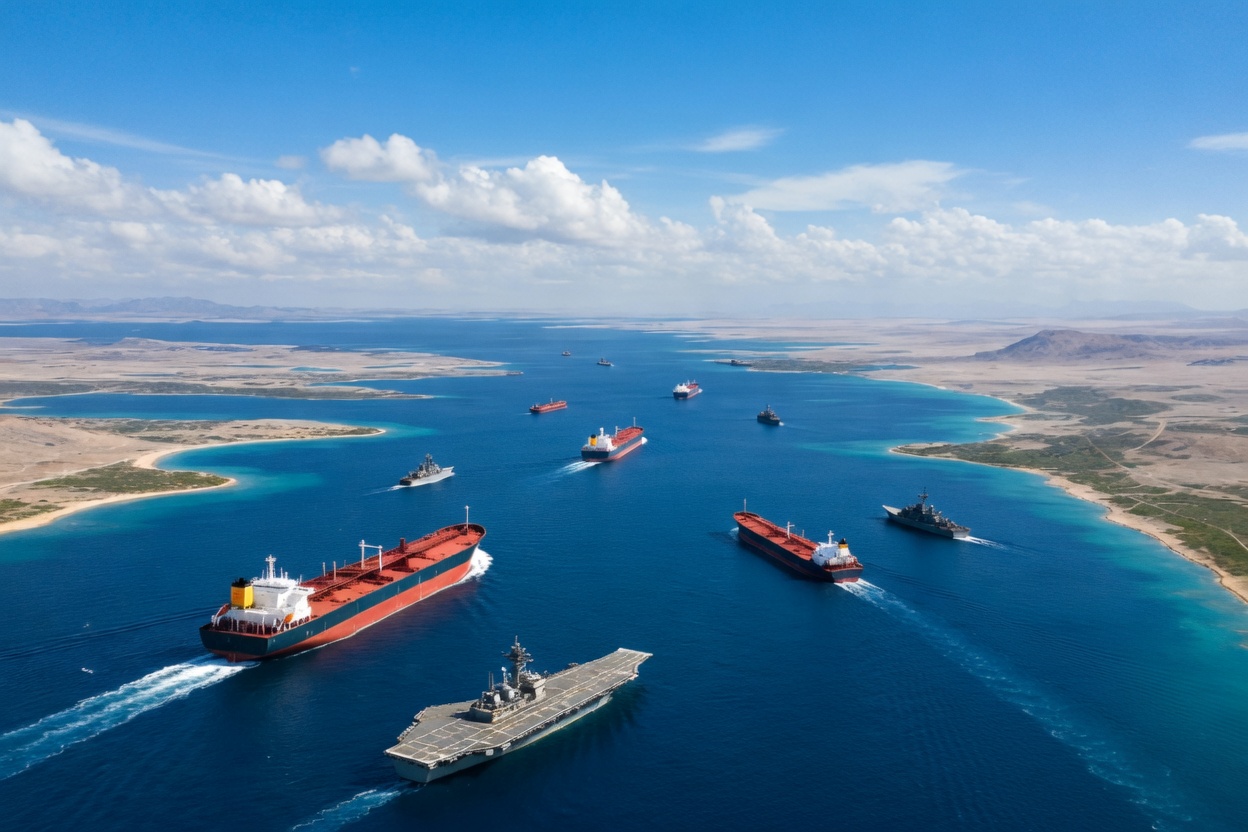
Former US President Donald Trump has warned that the North Atlantic Treaty Organization (NATO) could face a “very bad” future if allies fail to support U.S. efforts to secure the Strait of Hormuz, a strategic oil chokepoint.
Over the weekend, Trump called on China, France, Japan, and South Korea to assist in securing the strait, hinting at a potential international coalition. Details remain scarce, as allies have taken a cautious approach toward deeper involvement in the ongoing US-Israeli conflict with Iran.
White House Press Secretary Karoline Leavitt said the president’s call is consistent with long-standing Western goals to prevent Iran from obtaining nuclear weapons. “These countries benefit from ensuring Iran cannot acquire a nuclear weapon. President Trump is right to urge them to reopen the Strait of Hormuz to safeguard the free flow of energy,” Leavitt said.
She also criticised some allies for delayed action, noting the U.K. could have acted sooner. “The president continues to call on European allies to contribute, just as he has in matters of defense spending and NATO responsibilities,” Leavitt added.
Mixed Allied Reactions
Global response has been cautious:
- Europe: Germany’s Defense Minister Boris Pistorius questioned the effectiveness of sending a few frigates to the strait. “Before acting outside NATO territory, we would need an international framework and Bundestag approval. It’s not our war, and we favor diplomatic solutions,” he said.
- Asia-Pacific: Japan and Australia have declined, South Korea is still considering the request, and China has not committed, despite Trump threatening to delay a March summit with Xi Jinping.
Iran’s Position
Iranian Foreign Minister Abbas Araqhchi insisted the strait remains open, except to its enemies. “The war must end, but it should not be repeated. We have not requested a ceasefire from the U.S.,” Araqhchi said.
Rising Costs and Escalation
Experts warn the conflict is far from a short engagement. Klemens Fischer said, “The U.S. and Israel miscalculated Iran’s response. The military may succeed, but the political and financial costs rise daily, undermining America’s credibility in the Gulf.”
According to the CATO Institute, the U.S. has spent approximately $19 billion on the conflict, with over 2,000 lives lost: 1,300 in Iran, 800+ in Lebanon, around 13 Americans, a dozen Israelis, and 20 in Gulf states. Tens of thousands have been injured or displaced.
Outlook
With NATO and key allies hesitant to engage, the U.S. faces mounting challenges in securing the Strait of Hormuz. The conflict’s trajectory remains uncertain, with escalating military and economic costs complicating diplomatic solutions.


