



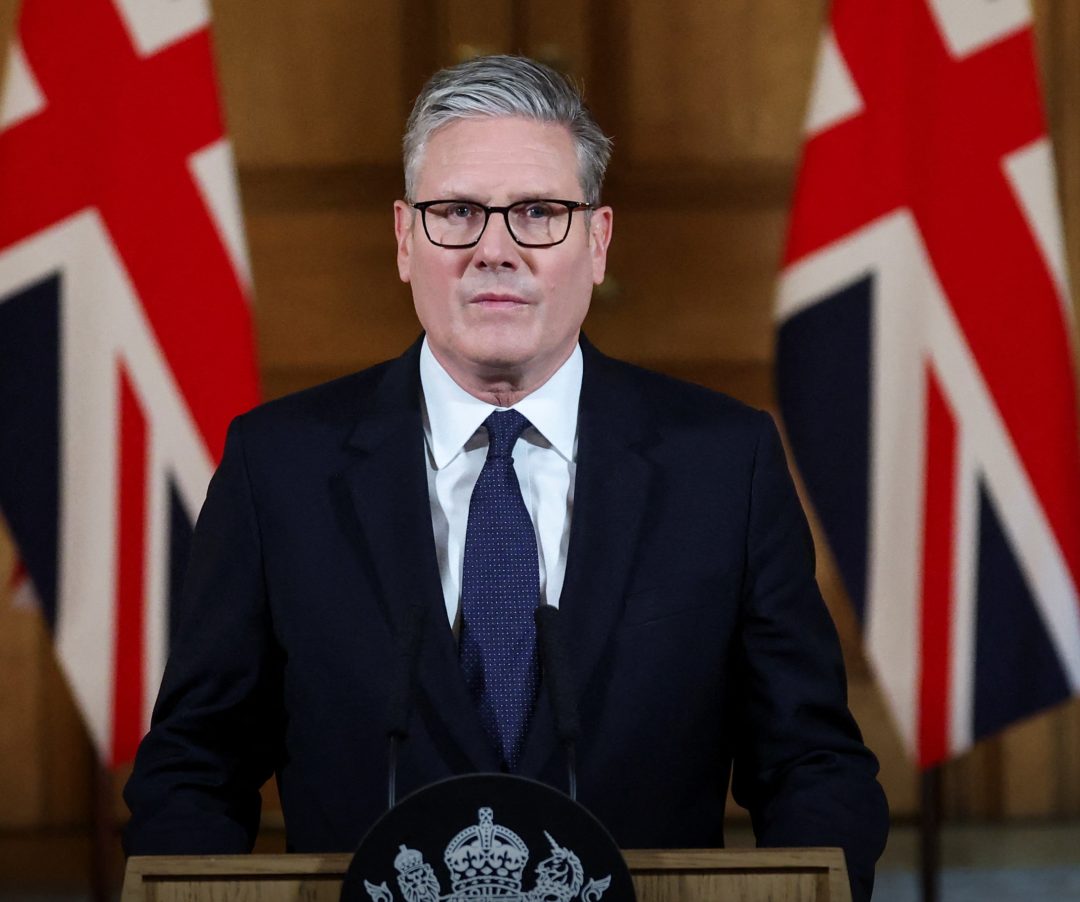
The United Kingdom is preparing for yet another change in leadership after Prime Minister Keir Starmer announced his resignation, bringing to an end a tenure of almost two years in office.
Starmer, who became Prime Minister in July 2024 following Labour’s general election victory, has served for 717 days. Although he has announced his intention to step down, he will remain in office until his party selects a successor.
His departure means the UK will soon have had seven prime ministers in just over 16 years, underlining a period of significant political turnover in British politics.
Since 2010, six leaders have occupied 10 Downing Street. David Cameron served the longest during this period, spending 2,254 days in office between May 2010 and July 2016. He was succeeded by Theresa May, who led the country for 1,106 days before stepping down in July 2019.
Boris Johnson then took office, serving for 1,140 days until September 2022. His successor, Liz Truss, recorded the shortest premiership in modern British history, lasting just 49 days before resigning in October 2022.
Rishi Sunak took over and remained Prime Minister for 619 days until Labour returned to power under Starmer in July 2024.
The announcement of Starmer’s resignation marks another chapter in a turbulent era of British politics, characterised by leadership contests, shifting political fortunes and frequent changes at the top of government.
Attention now turns to the Labour Party’s succession process, which will determine who becomes the next occupant of 10 Downing Street and the United Kingdom’s seventh Prime Minister since 2010.

