



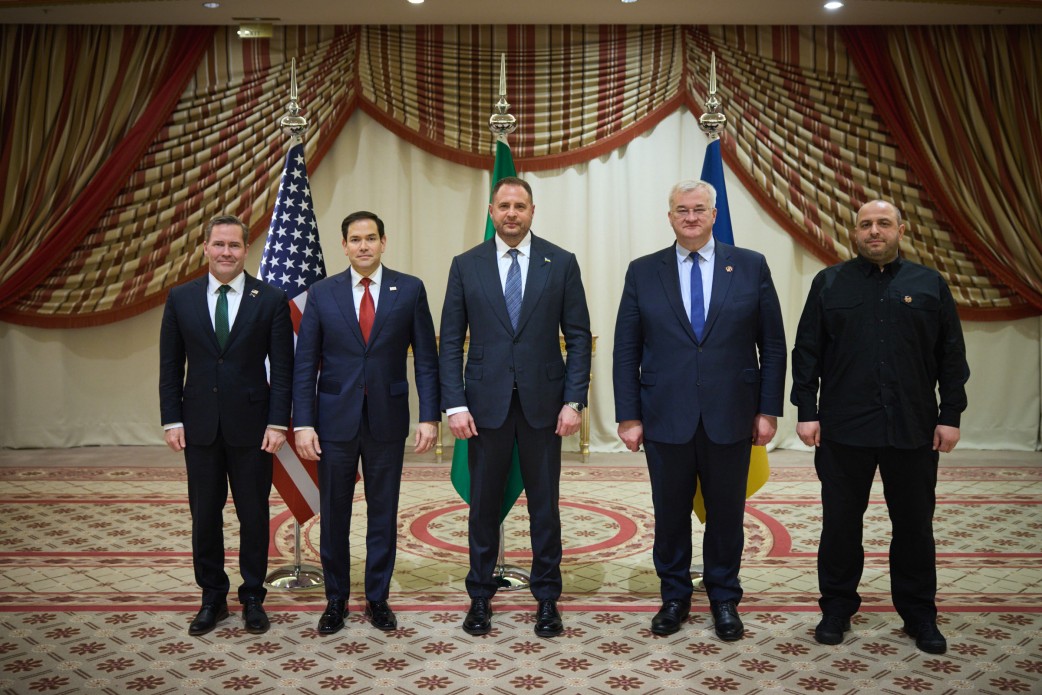
In a significant move that could reshape the landscape of the ongoing conflict, Ukraine has agreed to a proposed 30-day ceasefire put forth by the United States, marking a potential turning point in negotiations aimed at achieving lasting peace. This proposal emerged from recent diplomatic discussions held in Jeddah, Saudi Arabia, where both the U.S. and Ukrainian representatives echoed a commitment to finding a resolution to the war that has deeply affected not only the two nations but also shaken global stability.
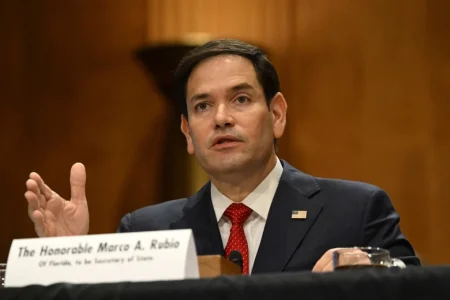
The U.S. Secretary of State, during the recent talks, reiterated the nation’s support for Ukraine’s sovereignty and territorial integrity, underlining the importance of collaboration in the quest for peace. Ukraine’s acceptance of the ceasefire proposal is seen as a strategic step in its ongoing battle, amid global calls for a resolution that can halt further escalation of hostilities.
This compromise places pressure on Russia to respond positively, with expectations that Moscow will consider the terms of the ceasefire as outlined by the United States. Analysts suggest that the conditions surrounding the proposal could include the suspension of arms supplies to Ukraine—a condition that may stir controversy given the ongoing military dynamics.
In response to Ukraine’s willingness to engage in this temporary halt, the U.S. has revitalised its military aid and intelligence sharing efforts with Kyiv, underscoring a robust commitment to supporting Ukraine’s defensive posture. American officials have emphasised that effective monitoring of the ceasefire will be essential to ensure compliance by all parties involved, including Russia.
This significant diplomatic outreach, however, comes with its own set of challenges. Skeptics question whether Russia will genuinely commit to a ceasefire, given its history of transient truces and the complexities of the ongoing war. Observers remain cautiously optimistic, particularly in light of the profound humanitarian crises stemming from the conflict.