


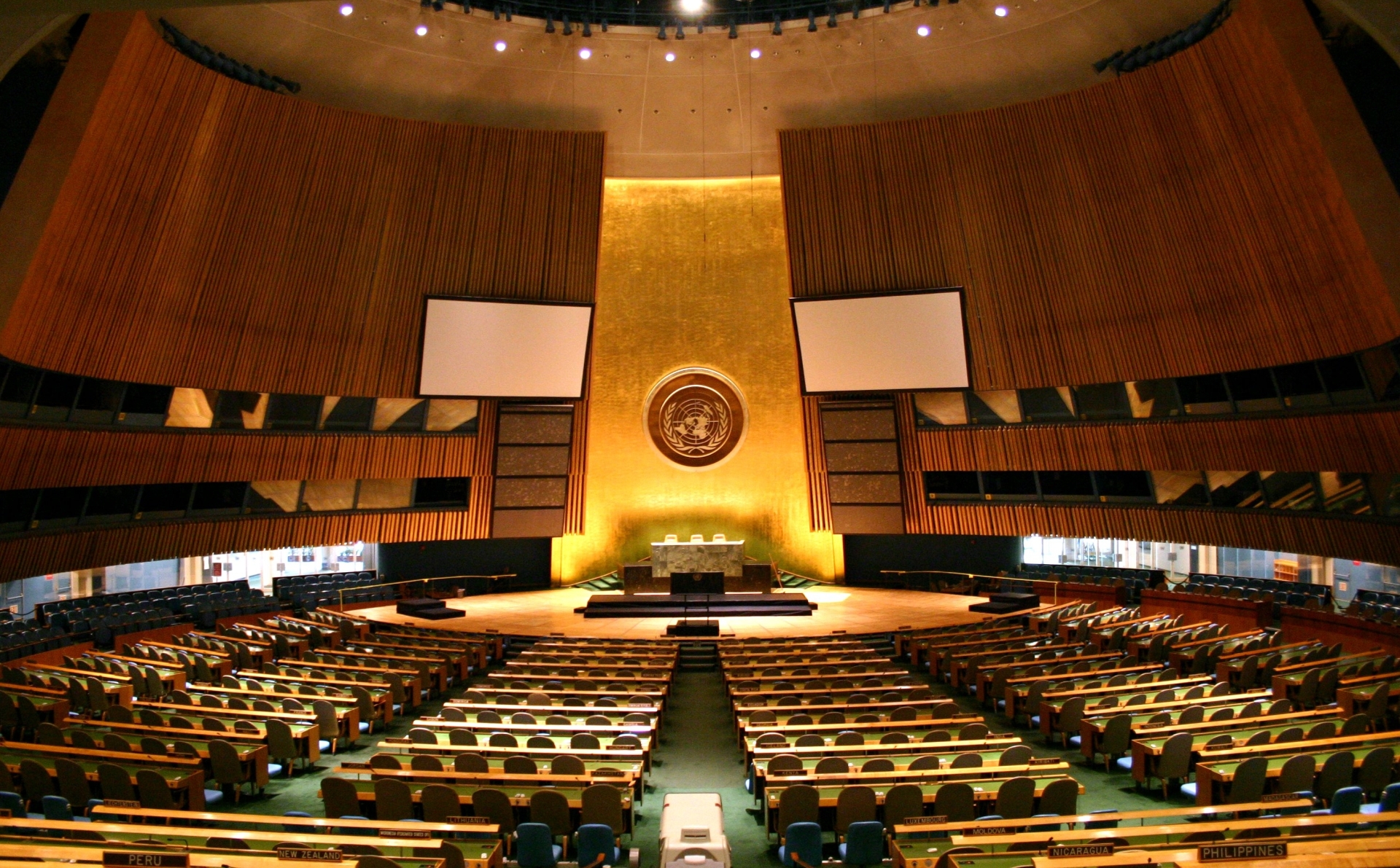
The United Nations General Assembly voted overwhelmingly on Wednesday in favour of an immediate, unconditional, and permanent ceasefire between Israel and Palestinian militants Hamas in the Gaza Strip. With 158 votes supporting the resolution, the UNGA has escalated its call for peace, following an earlier demand for a humanitarian truce issued in October of the previous year.
The resolution, although not binding, carries significant political weight, representing a collective global stance on the humanitarian crisis that has unfolded in Gaza over the past months. The Israeli-Palestinian conflict has escalated into one of the deadliest confrontations in recent history, prompting widespread calls for end violence and restoration of peace.
The vote saw opposition from the United States, Israel, and seven other countries, while 13 nations chose to abstain rather than take a definitive stance. This division among member states underscores the complex and often contentious nature of international diplomacy surrounding the Israeli-Palestinian conflict.
In a related discussion, the General Assembly also expressed its support for the United Nations Relief and Works Agency for Palestine Refugees in the Near East (UNRWA). By adopting a second resolution with 159 votes, the Assembly called on Israel to respect UNRWA’s mandate and “enable its operations to proceed without impediment or restriction.” The move comes in light of a new law that threatens to ban UNRWA’s operations in Israel starting late January, further challenging the humanitarian efforts in the region.
Similar to the ceasefire resolution, the vote on UNRWA saw opposition from the US, Israel, and seven other countries, while 11 nations abstained. The agency has been pivotal in providing aid and assistance to millions of Palestinian refugees, and its potential operational restrictions have raised alarms among humanitarian advocates.
The outcomes of these resolutions reflect a significant moment in the ongoing discourse surrounding the Israel-Palestine conflict, shining a spotlight on the geopolitical tensions and the urgent need for humanitarian efforts to support affected populations.