




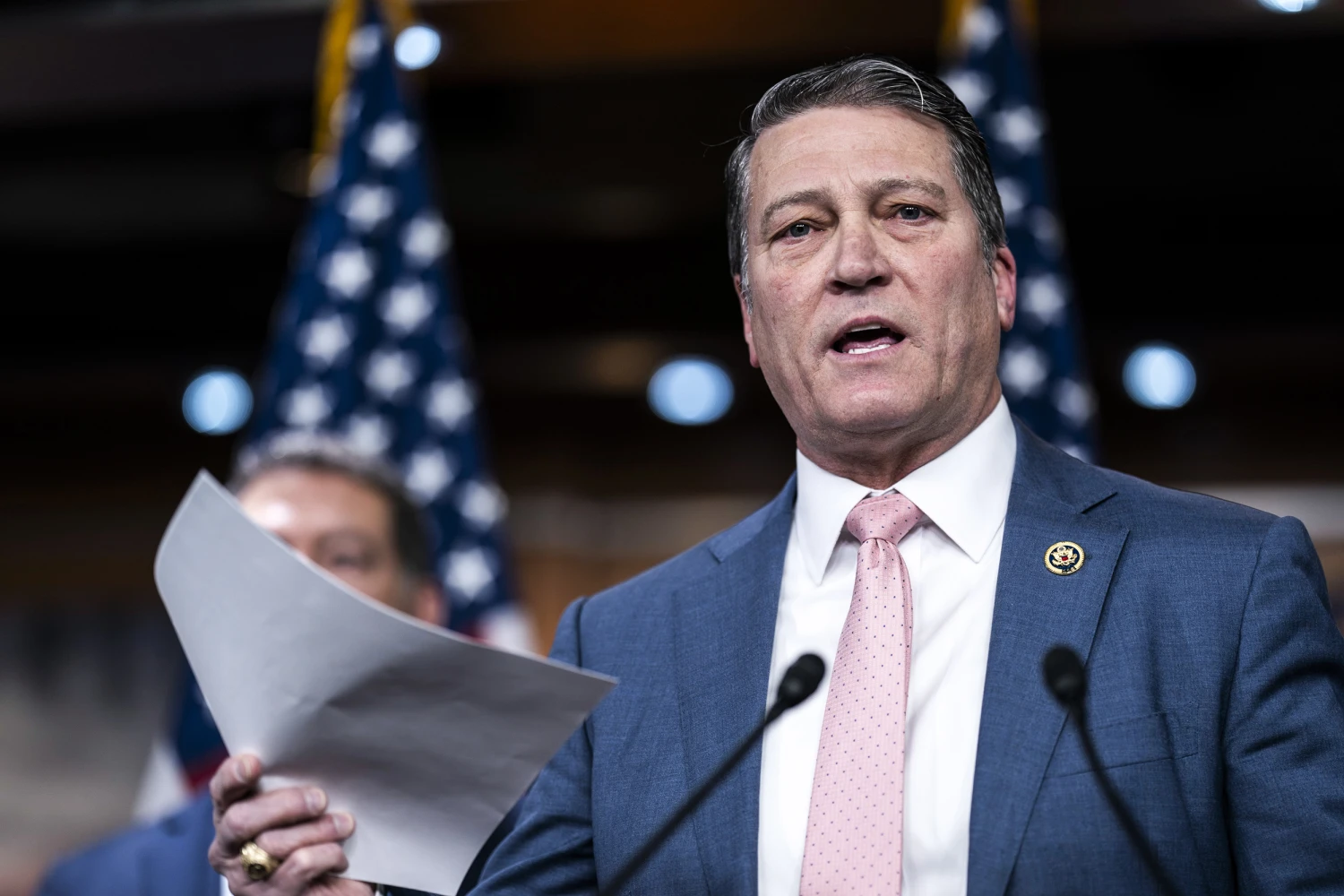
Congressman Ronny Jackson has introduced the US-South Africa Bilateral Relations Review Act, a legislative measure aimed at imposing sanctions on “corrupt South African government officials” who are seen as supporting America’s geopolitical adversaries, including China, Russia, and Iran. This bill signals a troubling shift in diplomatic relations, particularly as ties between the two nations have plunged to unprecedented lows following controversial comments from former South African officials and economic sanctions from the Trump administration.
The act, presented on 4 April 2025, mandates a comprehensive review of the bilateral relationship, reflecting concerns about Pretoria’s growing alignment with nations perceived as threats to US interests. “South Africa has brazenly abandoned its relationship with the United States to align with China, Russia, Iran, and terrorist organisations, a betrayal that demands serious consequences,” Jackson stated during the unveiling of the legislation. He underscored the need for accountability in what he labelled a deteriorating partnership.
Jackson’s bill follows a previous legislative attempt that passed the House during the last Congress but stalled in the Democratic-led Senate. With Republicans currently holding control over both Houses, expectations for the bill’s passage have grown. “This legislation ensures we conduct a comprehensive review of this supposed ‘ally’ while also holding accountable any corrupt officials. The era of governments undermining American interests without repercussions ends now,” he stated firmly.
The Congressman, who is co-leading the initiative with Representative John James, asserted that the legislation builds upon and bolsters prior bipartisan efforts aimed at examining US relations globally. It is also said to align with an Executive Order issued by former President Trump, which was directed at addressing what he termed “egregious actions” taken by the South African government.
Compounding the deterioration in US-South Africa relations, former South African ambassador to the US Ebrahim Rasool was expelled following comments he made that equated Trump’s administration and public figures to a “global white supremacist movement.” Such assertions have only exacerbated hostilities, further straining diplomatic channels.
Moreover, pressure has mounted on the South African government following visits from local organisations, such as AfriForum and Solidarity, who sought to engage with Trump’s administration on matters of humanitarian assistance for Afrikaner development.
Economically, the situation took a turn for the worse when Trump recently imposed a universal 10% tariff on all imports into the US, alongside a staggering 30% tariff specifically targeting South African goods. In a fervent critique, Trump remarked, “They have got some bad things going on in South Africa… We cut the funding because a lot of bad things are happening in South Africa. They don’t want to report it.” Following this declaration, the South African Presidency described the tariffs as a “barrier to trade and shared prosperity,” calling for renewed negotiations to establish a mutually beneficial trade agreement with the US.


