





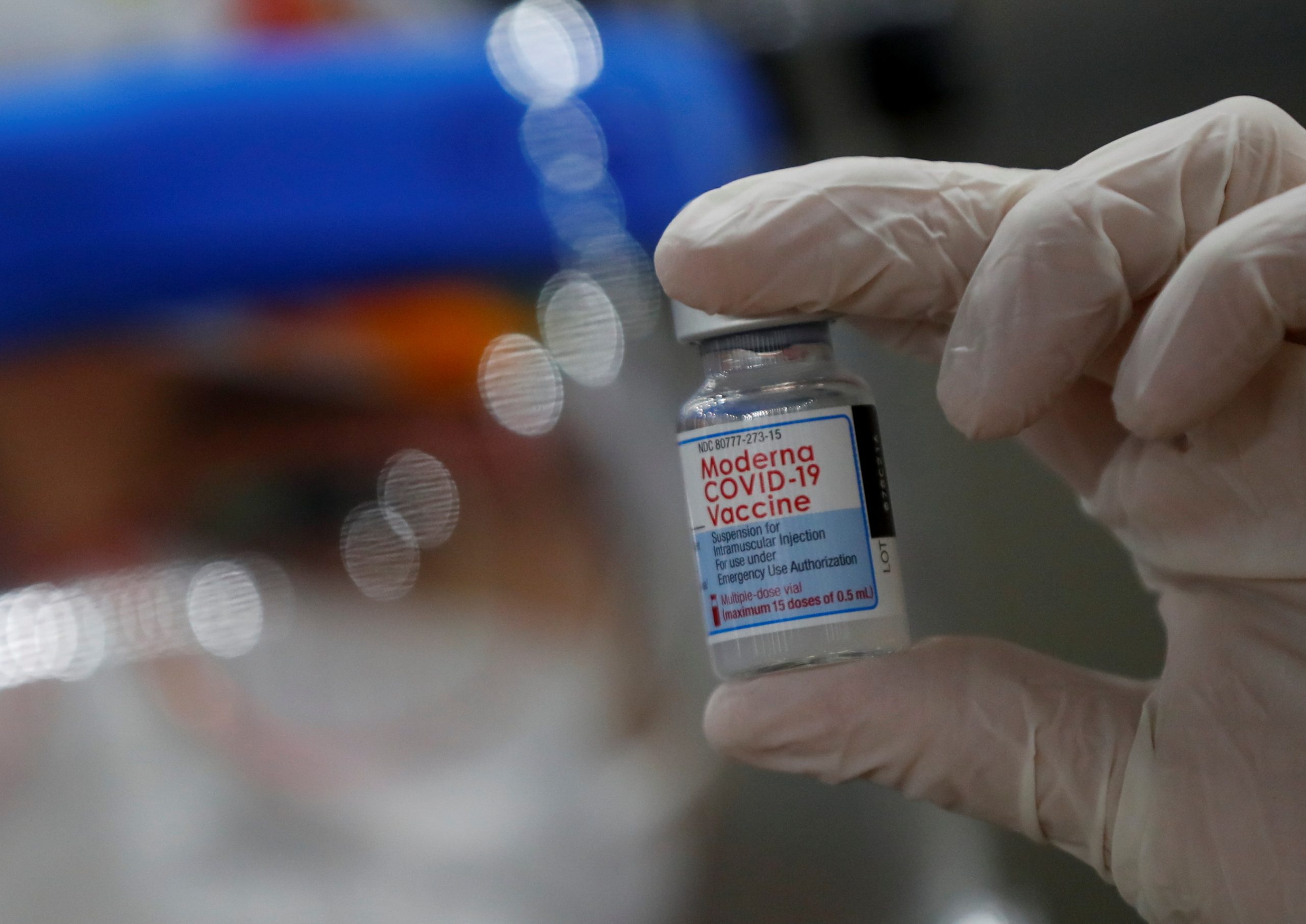
The United States Department of Health and Human Services (HHS) announced yesterday it would be winding down mRNA vaccine development efforts stemming from its Biomedical Advanced Research and Development Authority (BARDA). This decision comes as part of a broader effort to reshape the country’s vaccine, food, and medicine policies under the leadership of Health Secretary Robert F Kennedy Jr., a prominent vaccine sceptic.
BARDA, known for its role in facilitating the development of crucial medical supplies to counter public health threats, had previously disbursed billions of dollars to foster vaccine innovation during the COVID-19 pandemic. However, the latest developments signal a significant decrease in the agency’s engagement with mRNA technology, traditionally heralded for its rapid response capabilities.
The HHS announcement includes the cancellation of a contract awarded to Moderna for the late-stage development of its bird flu vaccine intended for human use, a controversial decision that has raised eyebrows within the scientific community. Additional repercussions of this decision entail the rejection or cancellation of various pre-award solicitations from other major pharmaceutical players, including Pfizer, Sanofi Pasteur, CSL Seqirus, Gritstone, and others. In total, this decision impacts 22 vaccine-related projects valued at nearly $500 million.
In defending this bold shift, Secretary Kennedy contended that current data indicate these mRNA vaccines have “fail[ed] to protect effectively against upper respiratory infections like COVID and flu.” However, the lack of substantiated scientific evidence to support this assertion has drawn criticism from public health experts who argue that such declarations could undermine confidence in vaccination efforts amid ongoing global health concerns.
Kennedy remarked on the transition, stating, “We’re shifting that funding toward safer, broader vaccine platforms that remain effective even as viruses mutate.” This shift underlines a transformative approach to pandemic preparedness, although it raises questions regarding the future of mRNA technology, which has been at the forefront of modern vaccine development.
The decision follows a comprehensive review of mRNA-related investments initiated during the COVID-19 public health emergency era, marking a contentious chapter in the ongoing discourse on vaccine innovation and public health policy.


