


At least 188 people have been confirmed dead and nearly 40,000 others are reported missing after two powerful earthquakes struck Venezuela, devastating large parts of the country and prompting warnings that the death toll could rise sharply.
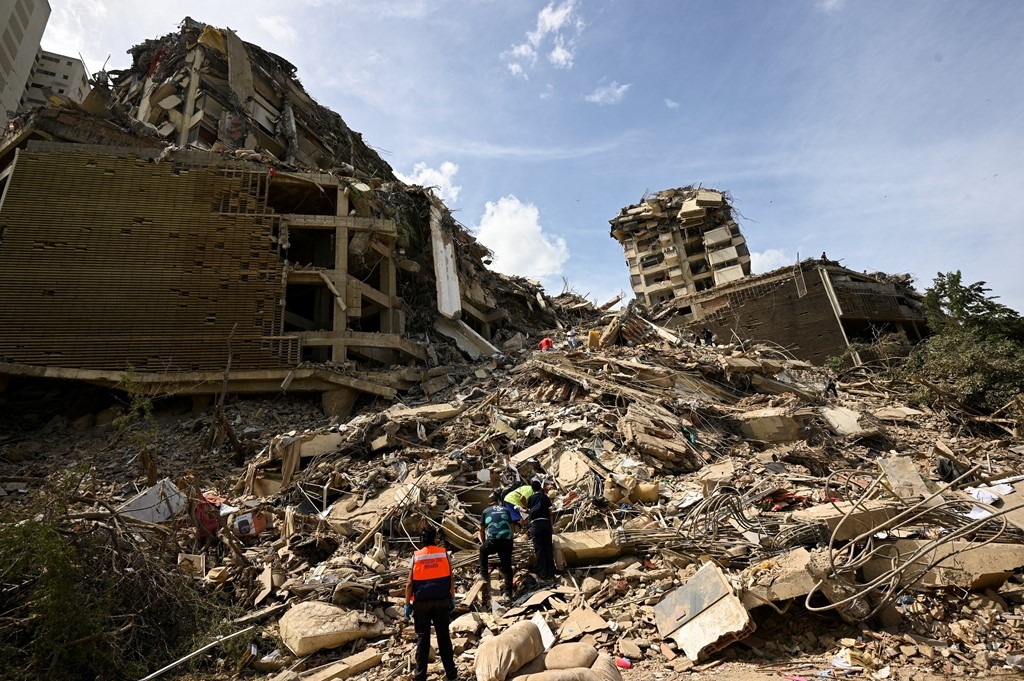
The twin quakes, measuring magnitudes 7.2 and 7.5, struck minutes apart along Venezuela’s northern coast, triggering widespread destruction in major urban areas including Caracas and La Guaira. Entire buildings collapsed, roads were torn apart, and critical infrastructure, including the country’s main airport, was forced to shut.
Officials say rescue teams are racing against time to reach survivors trapped beneath rubble, with around 200 people believed to be still buried in collapsed structures. Emergency services and civilians have been combing through debris in desperate searches for survivors amid ongoing aftershocks.
Jorge Rodríguez, head of Venezuela’s national assembly, said the confirmed death toll had risen to 188, with more than 1,500 people injured. However, he warned that figures remain incomplete and are expected to increase as communication lines remain disrupted in the worst-hit areas.
The scale of the disaster has also been reflected in the number of missing persons reports, with an unofficial tracking website listing nearly 40,000 people unaccounted for. Families have shared images and messages online in an effort to locate loved ones.
Experts have warned that the quakes could rank among the most destructive in the region in recent history. Some US-based analysts have suggested the death toll could ultimately exceed 10,000, although authorities stress that it is too early to confirm final figures.
Humanitarian agencies, including the United Nations, have warned of an overwhelming crisis in the coming days, citing Venezuela’s existing vulnerabilities and the scale of displacement caused by the disaster.
International rescue efforts are beginning to mobilise, while local authorities continue to set up emergency shelters in schools and stadiums. However, damaged infrastructure and widespread communication outages are hampering coordination efforts.
As aftershocks continue to shake the region, officials say the priority remains locating survivors, restoring essential services, and preventing further loss of life.