



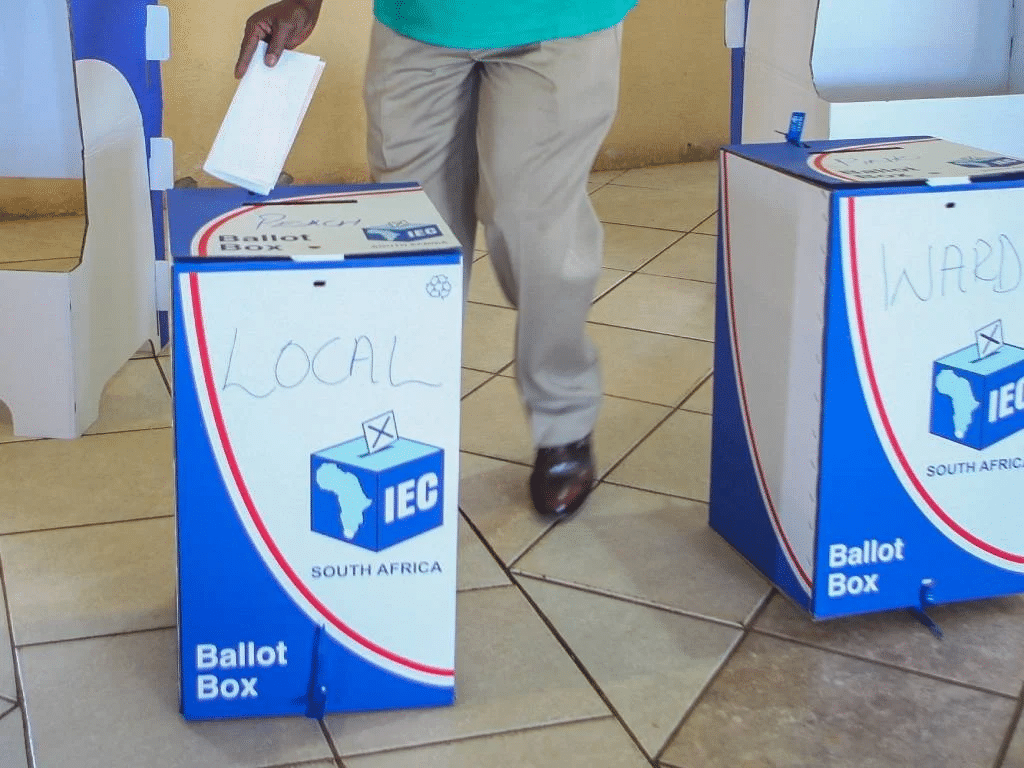
With the 2026 Local Government Elections fast approaching, young voters in Potchefstroom are facing a familiar question: will their votes bring about change, or will the problems remain the same?
In Ikageng, opinions among young people are sharply divided.
While some still view the ballot as a powerful tool for shaping their communities, others are questioning whether participating in elections can deliver the change they have been promised.
Newsnote spoke to young people in the area about their views ahead of election day on 4 November.
For Thamsanqa Ndakane, voting remains an important way for citizens to exercise their power and demand change.
“Believe it or not, elections are a form of protest. There’s a reason why dictatorships don’t allow people to vote … it’s because they know the power that elections carry. If we want change and to move forward with society, we have to elect people with the same principles and ideas that we stand for,” he said.
But not everyone shares his confidence in the electoral process.
One young woman, who asked to remain anonymous, said years of service delivery challenges and unemployment had left her questioning whether elections could make a meaningful difference.
“I do agree that an election has the power to appoint councillors and mayors, but I feel like the problems remain the same. It’s like they enjoy seeing us protest for jobs and burn tyres and don’t care enough to provide us with the necessary services. So, even after the elections, things remain the same,” she said.
Her concerns mirror broader trends identified by the Human Sciences Research Council (HSRC).
According to the council, support for and satisfaction with democracy, as well as trust in government institutions, have declined across generations, with some of the sharpest declines recorded among Millennials and Generation Z.
The HSRC has linked these declining levels of confidence to growing doubts about whether voting can translate into meaningful change and a government that responds to citizens’ needs.
For mid-Millennial Gadifele Seripe, however, staying away from the polls could mean surrendering the very power young people are seeking.
“The youth need to take charge of their own power. Despite how they may have found the situation of the country, the responsibility to bring change lies with them. Voting is a powerful tool to seek solutions to service delivery problems, from water and electricity to jobs. As a young person, if you don’t vote, you allow someone else to decide for you,” said Seripe.
Seripe encouraged young people to participate in the electoral process and make their voices heard on election day.
The HSRC has recommended that rebuilding youth engagement requires greater political efficacy, trust and accountability.

