





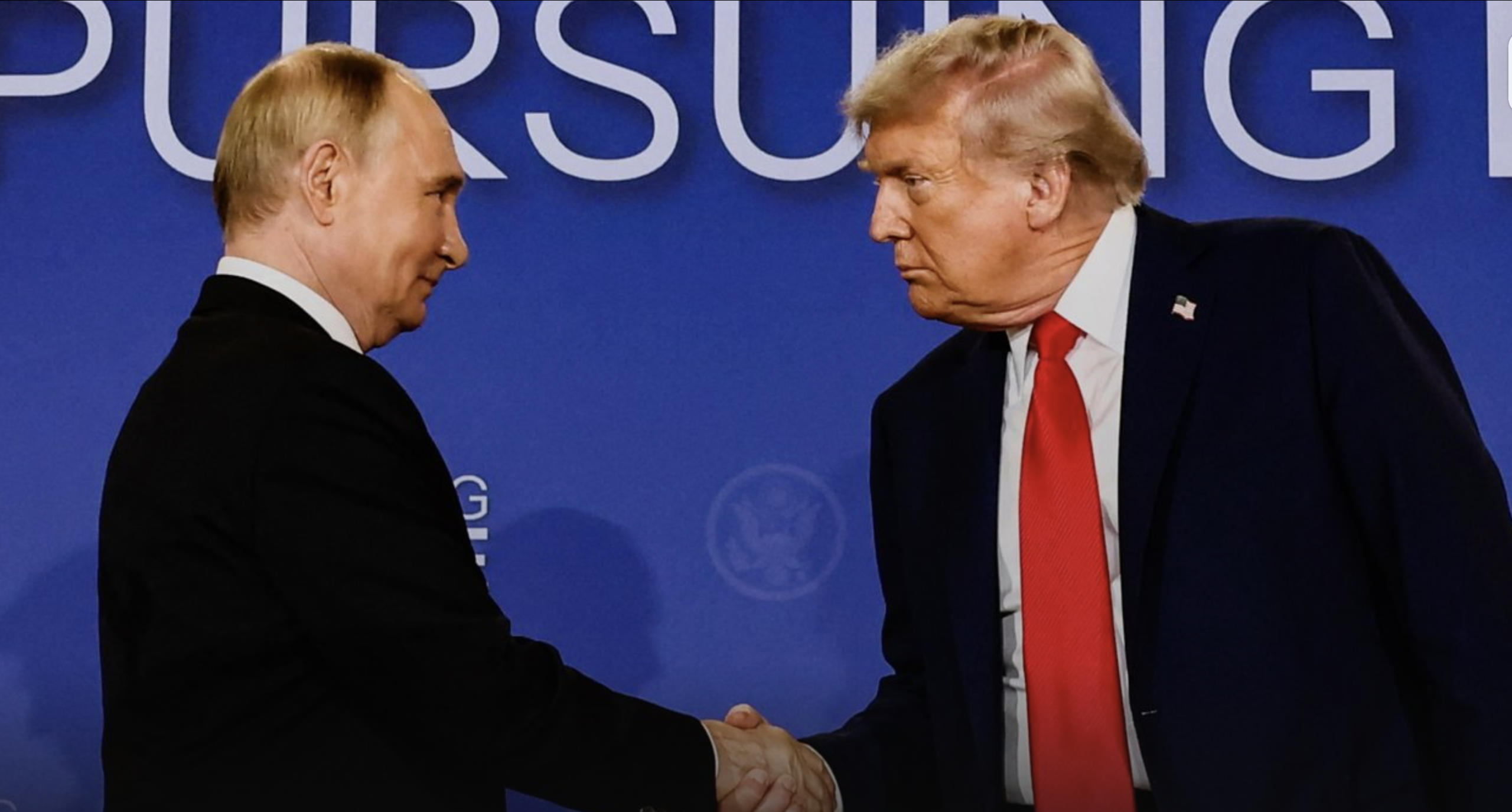
Ukraine President Volodymyr Zelensky arrived in Washington, DC, on Monday to meet with US President Donald Trump, alongside a coalition of European leaders. The stakes are alarmingly high as Zelensky navigates a landscape of evolving demands that challenge Ukraine’s sovereignty and future alliances.
As scheduled discussions approach, Trump’s tone has signalled a shift towards pressing Ukraine to accept terms that align closely with Russian President Vladimir Putin’s earlier proposals. Echoing Moscow’s insistence, Trump articulated that for the hostilities in the region to cease, Ukraine must agree to cede Crimea—a territory annexed by Russia in 2014—and renounce aspirations to join NATO. The implication of such terms has drawn concern from Kyiv and its allies, who fear the potential ramifications on Ukraine’s territorial integrity and geopolitical standing.
The meeting, described as critical by political analysts, comes after recent reports suggesting a possible thaw in communications between the US and Russia. Trump’s envoy, Steve Witkoff, noted that during last week’s summit in Alaska, Putin made concessions regarding security guarantees for Ukraine and discussed hypothetical “land swaps” in the context of a ceasefire-avoiding peace deal. For Zelensky, however, the potential security guarantees must be robust, especially in light of past agreements that failed to deter Russian aggression.
Compounding the gravity of the discussions, ongoing Russian assaults on Ukrainian cities underscore the urgency for Ukraine. Reports reveal that nine civilians, including children, were killed in Kharkiv over recent attacks, adding fresh impetus for Zelensky to secure assurances for his country’s safety even as he faces daunting pressures from US leadership.
The scheduled talks will involve a series of meetings: a bilateral dialogue with Trump followed by multi-level discussions with European leaders, including prominent figures such as France’s Emmanuel Macron and Germany’s Friedrich Merz. Analysts caution Zelensky that he may be confronted with a painful “reality check” regarding territory lost during the conflict, emphasising that any diplomatic progress must hinge on solid security arrangements moving forward.
European powers have rallied behind Ukraine, signalling support in the form of a collective reassurances mechanism—an effort to echo NATO-like protections without formal membership. The presence of various European leaders in the discussions indicates an urgent need to establish a firm stance against Russian advances while contemplating the future of Ukraine within a potentially reshaped geopolitical landscape.
As all eyes turn toward the White House today, the meeting is expected to clarify the parameters of international support for Ukraine, particularly as Zelensky defends his nation’s right to negotiate under the looming threat of conflict. The outcome of these high-stakes discussions will likely reshape the future of Western alliances and the nature of peace in Eastern Europe.


