

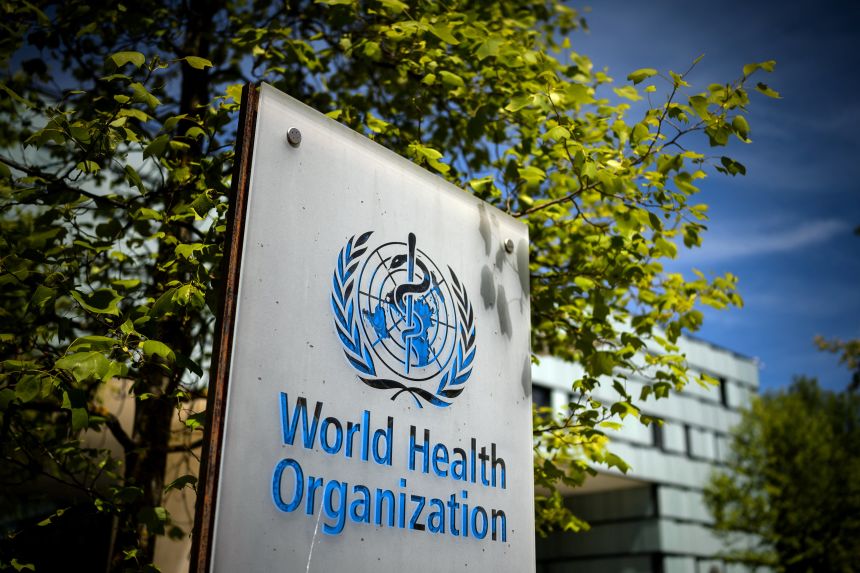
The United States has officially completed its withdrawal from the World Health Organization (WHO) on Thursday, January 22, marking the end of nearly eight decades of membership in the global health body. The move, initiated by President Donald Trump on his first day in office in 2025, has drawn sharp criticism from health experts and international leaders, who warn it could undermine both American and worldwide efforts to combat pandemics and other health threats.
Trump signed Executive Order 14155 on January 20, 2025, formally notifying the WHO of the U.S. intent to withdraw, citing the organization’s alleged mishandling of the COVID-19 pandemic, failure to implement necessary reforms, and undue political influence from member states, particularly China. Under U.S. law and the terms of the 1948 agreement establishing the WHO, withdrawal requires a one-year notice period and payment of all outstanding dues—conditions that have only been partially met, as the U.S. owes approximately $260 million for 2024 and 2025.
A U.S. State Department spokesperson stated via email that the WHO’s shortcomings in containing, managing, and sharing information during the pandemic had cost the U.S. trillions of dollars, justifying the halt of all future funding, support, or resources to the agency. “The American people have paid more than enough to this organization, and this economic hit is beyond a down payment on any financial obligations,” the spokesperson added. The administration has terminated all government funding, recalled U.S. personnel from WHO offices worldwide, and ended participation in WHO initiatives.
The departure has triggered a budgetary crisis at the WHO, which relied on the U.S. for about 18% of its funding—historically the largest contributor. The agency has already halved its management team, scaled back programs, and plans to reduce its staff by a quarter by mid-2026. WHO Director-General Tedros Adhanom Ghebreyesus expressed hope for a U.S. reconsideration, stating at a recent press conference, “Withdrawing from the WHO is a loss for the United States, and it’s a loss for the rest of the world.” The WHO confirmed the unpaid dues and noted that member states will discuss the U.S. exit at the executive board meeting in February.
Legal experts have labeled the move a violation of U.S. law, which mandates settling debts before withdrawal. Lawrence Gostin, founding director of the O’Neill Institute for Global Health Law at Georgetown University, told Reuters, “This is a clear violation of US law, but Trump is highly likely to get away with it.” Bill Gates, whose foundation is a major WHO funder, echoed concerns at the World Economic Forum in Davos, saying he does not expect a quick U.S. return and emphasizing, “The world needs the World Health Organization.”
Global health advocates warn of broader implications, including weakened systems for detecting and responding to outbreaks like HIV, polio, and Ebola. Kelly Henning of Bloomberg Philanthropies noted, “The US withdrawal from WHO could weaken the systems and collaborations the world relies on to detect, prevent, and respond to health threats.” While the U.S. may continue limited collaboration during the transition, the long-term effects on vaccine development, data sharing, and pandemic preparedness remain uncertain.
This exit is part of a larger Trump administration effort to withdraw from 66 international organizations deemed contrary to U.S. interests, signaling a shift toward bilateral engagements over multilateral institutions. As the world grapples with ongoing health challenges, the absence of the U.S. from the WHO raises questions about the future of coordinated global responses.