



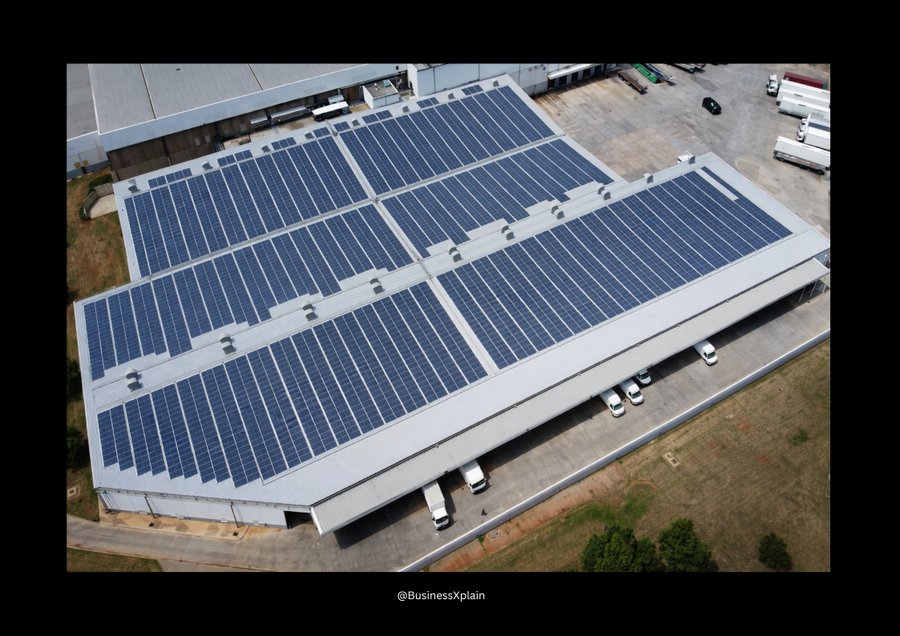
BAT South Africa (BATSA) has announced it will close its only local cigarette manufacturing facility in Heidelberg, Gauteng, by the end of 2026, marking the end of factory-based cigarette production in the country after more than five decades.
The decision follows what the company describes as the devastating impact of the illicit cigarette trade, which is estimated to account for nearly 75% of South Africa’s total cigarette market. BATSA says the scale of illegal trading has made continued local manufacturing economically unviable.
Speaking on Thursday, Head of Corporate and Regulatory Affairs for BAT Sub-Saharan Africa, Johnny Moloto, said the Heidelberg plant is currently operating at just 35% of its capacity due to severe volume losses linked directly to illicit tobacco.
“With approximately three-quarters of the market now illicit, continued local manufacturing has become unsustainable,” Moloto said.
While local production will cease, BATSA stressed that it is not exiting South Africa. The company will shift to an import-based supply model to continue supplying adult consumers in the country.
The closure places around 230 jobs at risk in the Lesedi Municipality, where the factory has been a key employer since it began operating in 1975. Moloto described the announcement as a painful moment for both the company and its employees.
“These are skilled and dedicated people who have given years of service. Unfortunately, they are being affected by an illicit market that operates entirely outside the regulatory system,” he said.
BATSA says it has spent more than a decade engaging government and law enforcement agencies, warning that weak enforcement and policy failures were allowing the illegal cigarette trade to flourish. The company argues that the 2020 tobacco sales ban, later ruled unconstitutional, permanently damaged the legal market, while repeated above-inflation excise tax increases widened the price gap between legal and illegal products.
Concerns have also been raised about proposed new tobacco legislation currently before Parliament. BATSA notes that the South African Revenue Service previously warned lawmakers that the proposed laws could further worsen illicit trade.
“We’ve consistently provided data and proposed solutions,” Moloto said. “While there have been genuine efforts by some in government, the overall response hasn’t been strong enough to protect legitimate businesses and the jobs they support.”
The impact of the closure is expected to extend beyond the factory floor. Local suppliers, transport operators and contractors who rely on the Heidelberg plant are also likely to feel the effects.
BATSA says it would consider reinvesting in local production should there be a sustained and meaningful turnaround in the fight against illicit trade.
The company has framed the closure as a warning to other industries, saying illicit trade is increasingly affecting sectors such as alcohol, pharmaceuticals, cosmetics, food, clothing and toys.
“If this can happen to a facility that’s been operating for 50 years, it can happen to anyone,” Moloto warned. “Enforcement is not just about tax collection — it’s about protecting jobs and communities.”
BATSA has begun a formal consultation process with affected employees and unions in line with Section 189A of the Labour Relations Act. Consultations are expected to conclude by the end of March 2026, with the factory’s full closure planned for the end of the year.

