



Bronkhorstspruit residents have been warned that their water remains unsafe for consumption as the City of Tshwane continues efforts to rehabilitate the local water treatment plant following a gastrointestinal illness outbreak that affected more than 800 people.
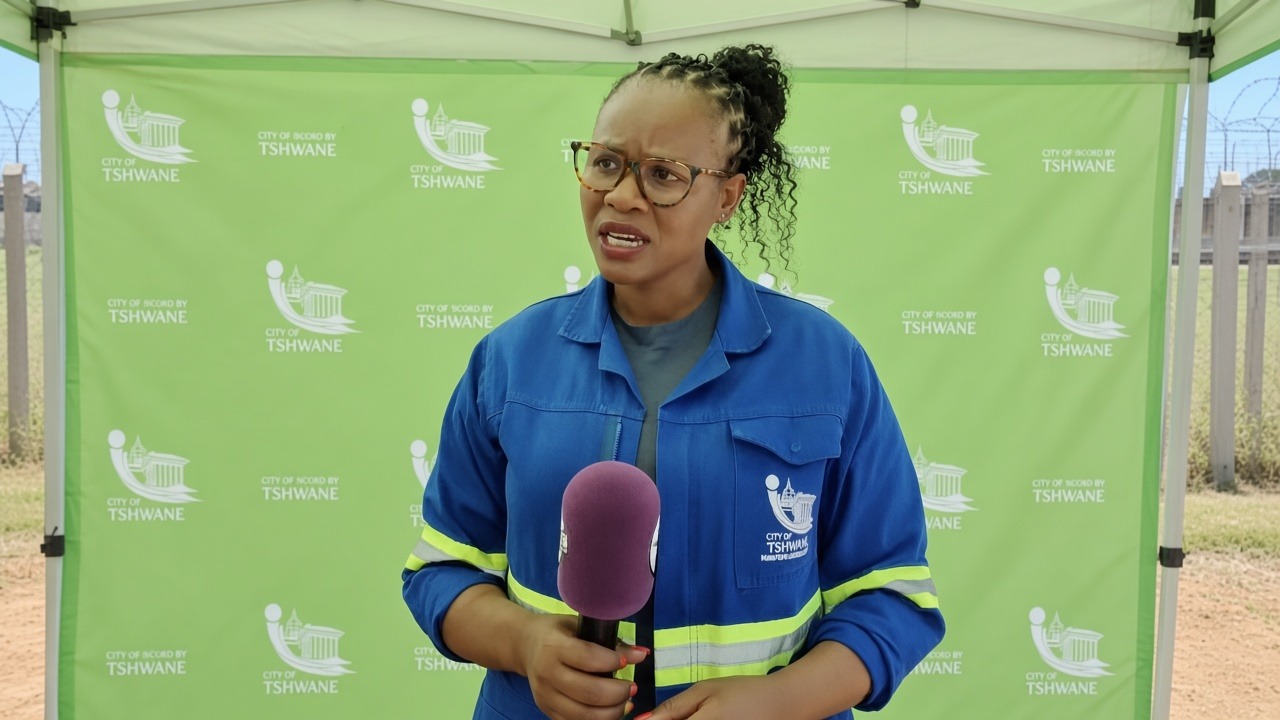
Tshwane Mayor Dr Nasiphi Moya made the announcement during a media briefing at the Bronkhorstspruit Water Treatment Works on Tuesday, where she outlined progress in restoring the facility.
According to Moya, Rand Water’s initial assessment identified extensive sludge accumulation in the clear-water tanks, dissolved air flotation units and filters.
The assessment also highlighted deficiencies in pumping and filtration equipment, chemical management, maintenance arrangements and the availability of critical spare parts.
Bronkhorstspruit and surrounding areas have experienced a wave of gastrointestinal illness over the past month, following the city’s failure to treat water from the plant with chlorine.
Treatment plant rehabilitation underway
Moya said the city’s technical team had spent the past two weeks cleaning treatment infrastructure, removing accumulated sludge, repairing critical equipment and progressively restoring filtration and chlorination processes.
Despite these interventions, the water has not yet been declared safe for consumption.
“Importantly, these interventions are restoring the entire treatment process, from raw water abstraction through filtration and disinfection to the final clear-water system,” Moya said.
She outlined the rehabilitation timeline, saying Phase 2 of the treatment works was commissioned for flushing and disinfection on 28 October.
Further treatment and shock chlorination followed on 29 October, including the disinfection of the clear-water sump.
On 2 November, the plant was recommissioned at 14:30 to supply treated water to the Ekandustria reservoirs for further shock chlorination.
Tshwane water supply remains under pressure
Beyond Bronkhorstspruit, Moya said parts of Tshwane continued to experience significant pressure on water supply systems due to constrained bulk-water supply, high consumption and insufficient recovery at certain reservoirs.
“High water consumption and constrained upstream supply continue to affect reservoir recovery, although some systems are maintaining satisfactory storage levels,” she said.
Preliminary investigation identifies operational shortcomings
Moya also revealed that a preliminary investigation into the operational failures had identified evidence of serious shortcomings in the plant manager’s execution of responsibilities.
These reportedly included inadequate monitoring of chlorine stock levels, ineffective inventory controls and failure to proactively manage critical operational risks.
The preliminary report further indicated that the impending depletion of chlorine was not formally reported or escalated to senior management, preventing timely corrective action.
R107 million allocated for rehabilitation
Moya reiterated that efforts to restore safe drinking water would continue despite her term of office coming to an end in the coming days.
She said a budget of R107 million had already been allocated through the city’s Integrated Development Plan to support the work.
Residents are still awaiting confirmation that the water is safe for consumption as rehabilitation and treatment efforts continue.

