


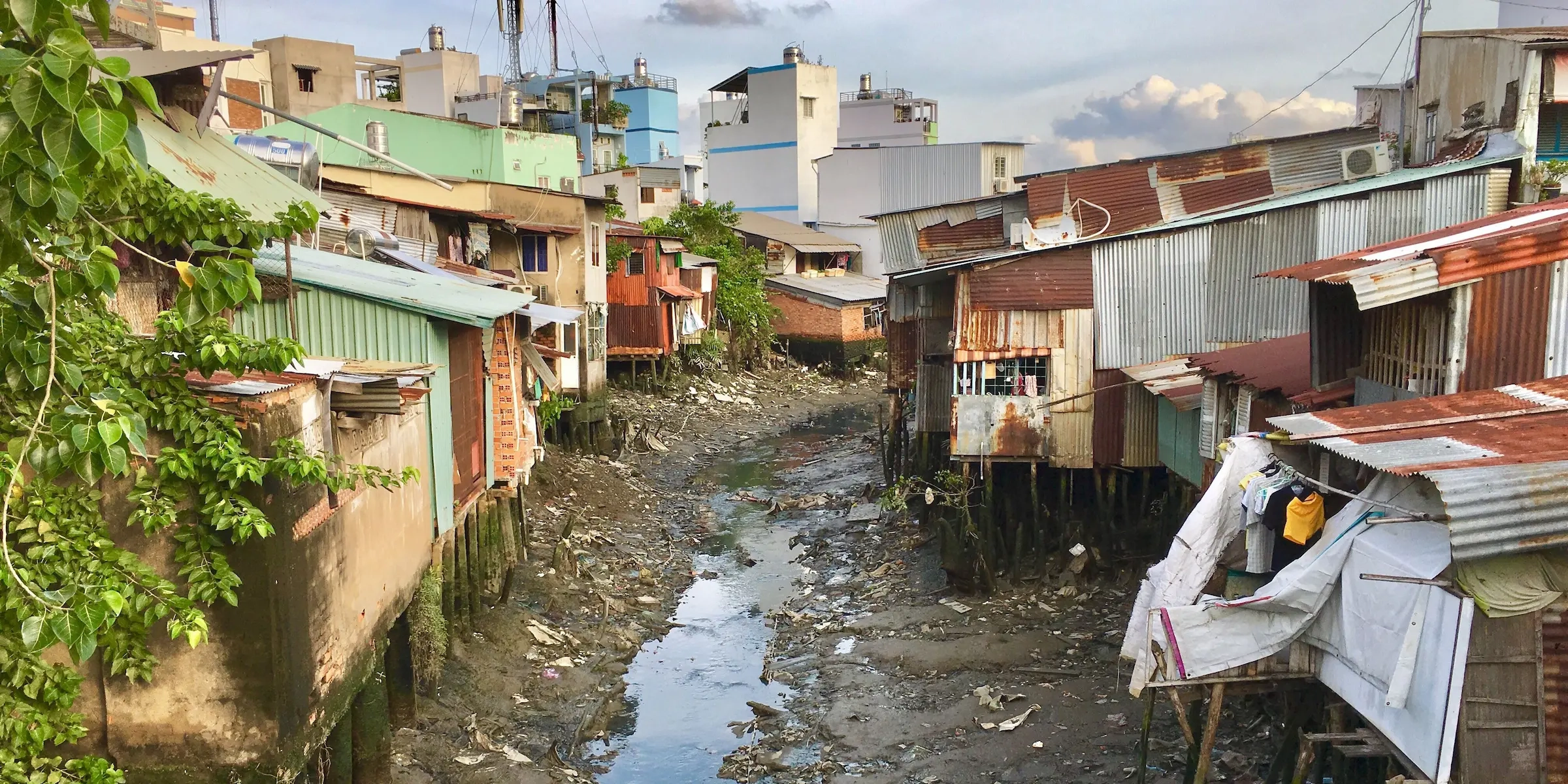
More than 617 million children are living in multidimensional poverty, while rural communities account for 83 per cent of those affected, according to a new global report.
The number of people living in multidimensional poverty worldwide has risen to 1.2 billion, marking the first increase since the global Multidimensional Poverty Index (MPI) was launched in 2010, according to its 2026 update.
Published by the United Nations Development Programme (UNDP) and the Oxford Poverty and Human Development Initiative (OPHI) at the University of Oxford, the report estimates that 51.5 million more people are living in multidimensional poverty than in the previous update on a comparable basis.
Children account for more than half of those affected, with 617 million living in poverty. The report also finds that 83 per cent of people experiencing multidimensional poverty live in rural areas, highlighting the challenges facing communities with limited access to essential services.
Poverty extends beyond income
Unlike measures based solely on income, the global MPI examines the overlapping disadvantages people face in their daily lives. These include inadequate healthcare, limited educational opportunities, poor living conditions and a lack of basic services.
People are classified as multidimensionally poor when they experience deprivation in at least one-third of the index’s ten weighted indicators covering health, education and living standards.
The 2026 update covers 108 countries in developing regions, representing 78 per cent of the global population.
UNDP Administrator Alexander De Croo described the increase as a warning that renewed efforts are needed to tackle interconnected forms of deprivation.
He said the figures represented people facing overlapping hardships, including hunger, missed schooling and inadequate access to clean water and electricity. However, he stressed that progress remains possible when countries address these challenges together.
Population growth contributes to the increase
The report notes that population growth accounts for part of the rise in the number of people living in multidimensional poverty.
In 95 countries without new survey data for this year’s update, revised population estimates increased the number of people counted as poor by 15.8 million.
Other changes reflect a combination of shifts in poverty rates, demographic developments and differences in the indicators covered by surveys conducted at different times.
Among the 13 countries with newly updated MPI estimates, results varied considerably.
Egypt, Nepal and Tajikistan recorded significant reductions in both the proportion and number of people experiencing multidimensional poverty.
Angola and Zambia also reduced their poverty rates. However, population growth outpaced those improvements, meaning the total number of people living in poverty increased.
Nigeria experienced a reversal of earlier progress, with both its multidimensional poverty rate and the number of people affected rising during the 2020s after significant reductions in the previous decade.
Countries demonstrate that progress is possible
Despite the global increase, the report identifies examples of substantial poverty reduction.
Of the 89 countries with data allowing changes over time to be assessed, 33 halved their MPI values in fewer than 15 years. Six of these countries are in sub-Saharan Africa.
Eswatini recorded a particularly notable decline over 15 years, with the proportion of people living in multidimensional poverty falling from 38.7 per cent to 8 per cent.
China achieved the fastest reduction among countries with available data, halving its MPI value in four years. Its multidimensional poverty rate fell from 9.5 per cent in 2010 to 4.2 per cent in 2014.
Viet Nam also halved its MPI value within seven years, demonstrating how sustained efforts can improve living conditions across multiple measures of deprivation.
2030 poverty target remains a challenge
The findings come as countries work towards Sustainable Development Goal target 1.2, which calls for at least halving the proportion of men, women and children living in poverty in all its forms by 2030.
The report indicates that achieving this target will require renewed action, particularly in communities where poverty affects several aspects of life simultaneously.
While the increase in the global total highlights the scale of the challenge, the progress recorded in several countries suggests that coordinated policies addressing healthcare, education, housing and access to basic services can make a significant difference.
The latest figures present a mixed picture: multidimensional poverty has increased globally, but the experiences of individual countries show that sustained reductions remain possible.