


Wage negotiations between organised labour and Gold Fields at its South Deep Gold Mine near Westonaria have entered a critical phase, with unions accusing management of “arrogance and disrespect” as both sides remain sharply divided over salary increases.
The fifth round of wage talks between the United Association of South Africa (UASA), the National Union of Mineworkers (NUM), and Gold Fields management took place on Friday, where tensions reportedly escalated during plenary discussions.
UASA spokesperson Abigail Moyo said unions were increasingly concerned about the tone and conduct of negotiations, warning that it was undermining efforts to reach a constructive agreement.
“The unions have criticised the company’s conduct during the negotiations, citing the need for mutual respect and professional conduct to ensure mutual understanding, which is especially important for members and all workers employed by the company,” Moyo said.
Both NUM and UASA accused Gold Fields executives of displaying “pomposity and arrogance” during discussions, urging management to immediately stop what they described as instructive and disrespectful behaviour.
At the centre of the dispute is a widening gap between labour’s wage demands and the company’s latest offer.
Unions are demanding an 11% increase for Category 4 to 8 workers, who represent lower-paid employees, and a 9.5% increase for artisans, miners and officials. Gold Fields has offered 7% and 5.7% respectively.
Organised labour argues that the offer does not reflect workers’ contribution to the company’s strong financial performance, particularly amid elevated international gold prices that have boosted sector profitability.
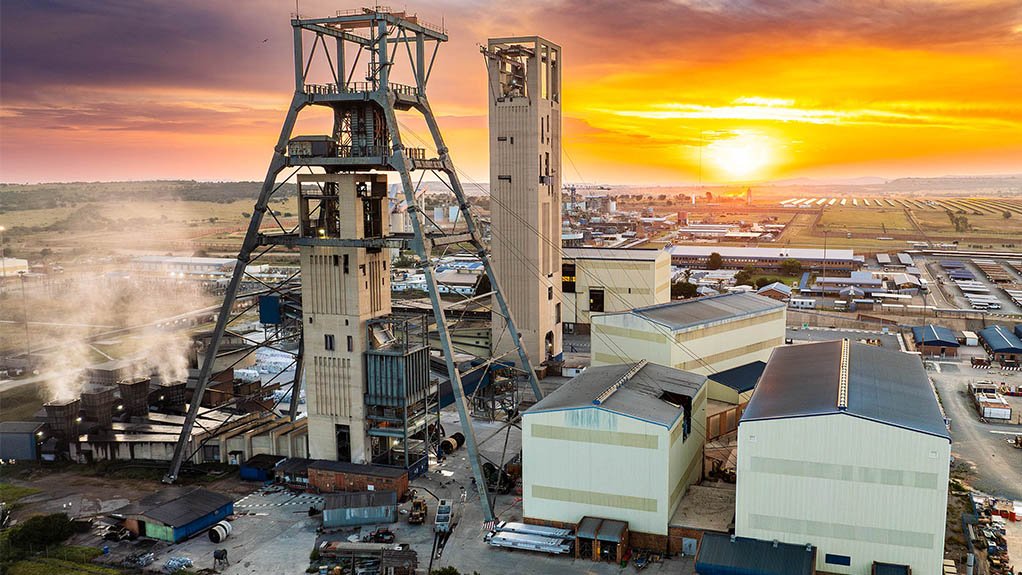
South Deep Gold Mine is a large-scale mechanised operation designed to extract one of the world’s largest known gold deposits, with mineral reserves of around 38 million ounces—equivalent to nearly 100,000 gold bullion bars.
The mine employs approximately 4,600 people, including both permanent staff and contractors.
Unions also say workers are under increasing financial pressure due to rising living costs and inflation, making meaningful wage adjustments urgent.
In a bid to strengthen its bargaining position ahead of the next round of talks, NUM has invoked Section 16 of the Labour Relations Act, compelling employers to disclose relevant financial information during collective bargaining.
The unions have requested detailed disclosures from Gold Fields, including revenue, profitability, remuneration structures, dividend payments, and bonus allocations.
Union leaders say the information is essential for workers to properly assess the company’s financial position and negotiate fairly.
The outcome of the dispute may now be placed in the hands of workers, with unions set to report back at a mass meeting scheduled for Tuesday, where employees will decide whether to accept or reject the latest offer.
The dispute unfolds against the backdrop of strong operational performance at Gold Fields in 2026, supported by higher gold prices and increased production.
Earlier this month, Gold Fields CEO Mike Fraser said the group delivered solid first-quarter results, generating strong cash flow driven by higher sales volumes and gold prices.
Attributable gold-equivalent production rose 15% year-on-year to 633,000 ounces, while net debt fell 34% to $1.31 billion following a $1.23 billion dividend payment in March.
Fraser said operations were largely on track, supported by strong output at the Salares Norte mine in Chile after reaching steady-state production.
However, the company warned that rising global input costs could pressure cost guidance for the remainder of the year.
Fraser said conflict involving Iran had driven sharp increases in global commodities and operating expenses across the mining sector.
Since February, Gold Fields has seen diesel prices rise between 30% and 70%, freight costs increase by about 40%, LNG prices climb roughly 30%, and higher input costs for explosives and cyanide.
He added that the forecast impact, assuming an oil price of $100 per barrel, could range between $40 and $50 per ounce across the portfolio.
While management remains confident of meeting production guidance, it acknowledged that sustained inflationary pressures could materially affect operating costs.