


Iran has warned it will respond with “long and painful strikes” on US positions if Washington renews military attacks, escalating tensions as efforts to form an international maritime coalition face growing uncertainty.
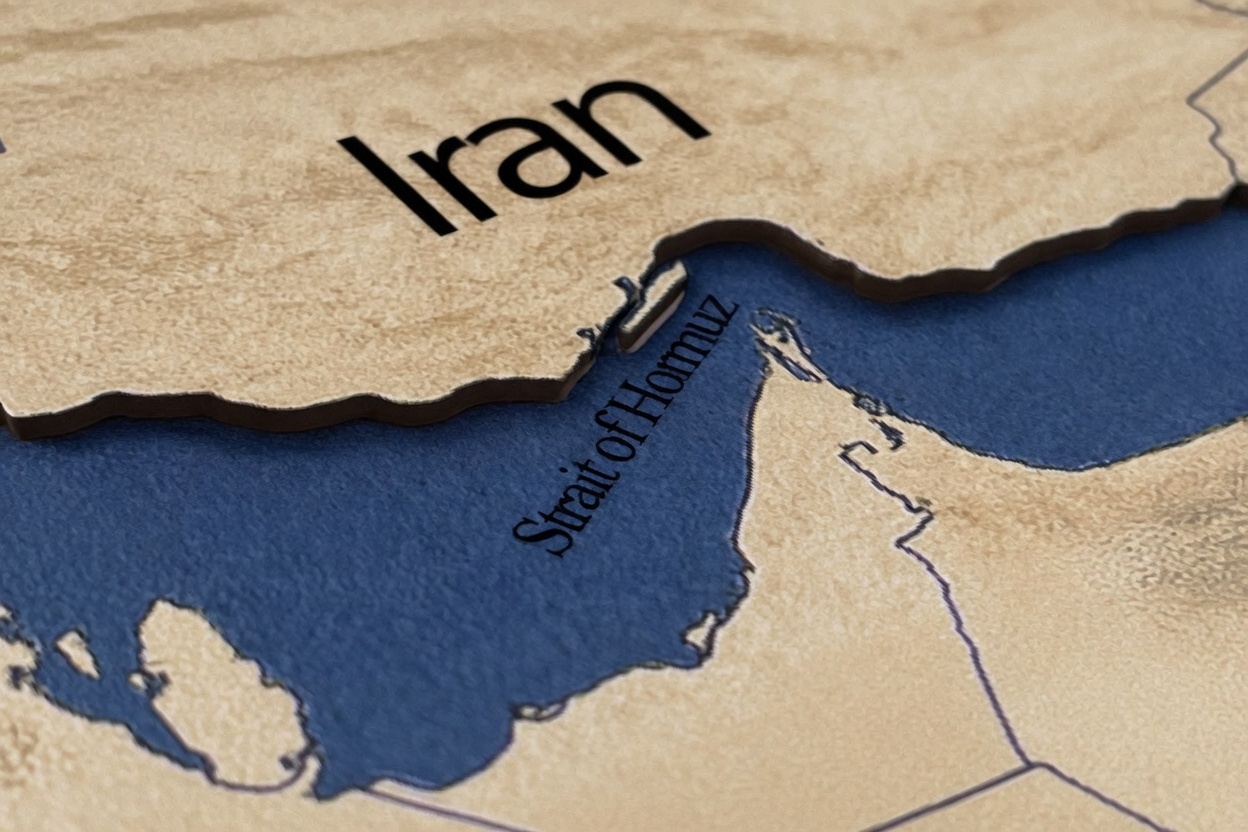
The warning comes amid the ongoing conflict that began with US-Israeli strikes on Iran, which has now entered its second month and led to the continued closure of the Strait of Hormuz — a vital route carrying around 20% of global oil and gas supplies.
The blockade has triggered a sharp surge in global energy prices, with Brent crude reaching highs not seen since 2022 before easing slightly. Analysts warn the disruption is increasing the risk of global inflation and economic slowdown.
Iranian officials said any renewed US strikes would be met with retaliation against regional bases and naval forces, further complicating US plans for a proposed international coalition to secure shipping lanes.
US President Donald Trump is expected to receive military briefings on possible new strikes aimed at increasing pressure on Tehran over nuclear negotiations, according to reports.
In response, Iran has continued blocking commercial shipping through the strait while launching attacks on regional infrastructure and US-linked targets in Gulf states.
Major global companies have also reported indirect impacts from the conflict. Amazon confirmed disruption to cloud services in Bahrain and the United Arab Emirates, warning that recovery could take months.
Diplomatic efforts remain stalled, with mediation attempts led by Pakistan and other international partners failing to bridge differences. Iran has insisted that nuclear discussions should only proceed after the conflict ends, while the US demands immediate engagement on nuclear restrictions.
Meanwhile, discussions continue over a proposed US-led Maritime Freedom Construct aimed at restoring navigation rights in the region, though several European partners have indicated they would only participate after hostilities cease.
The crisis has intensified global concern over energy security, economic stability, and the risk of wider regional escalation.