


Tensions across the Middle East have intensified after a series of military strikes, attacks on oil tankers and growing confrontation between the United States and Iran. The latest developments have increased fears of a wider regional conflict and raised concerns over global energy supplies.
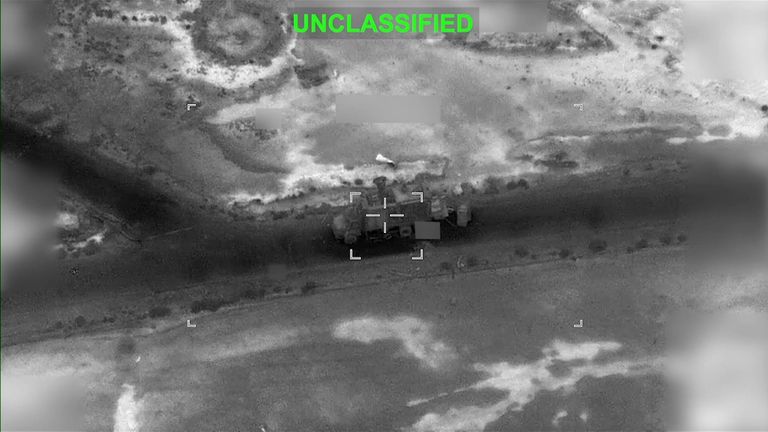
The United States launched another wave of strikes against Iranian targets, marking the third consecutive night of military action. Iranian officials reported explosions in several locations, including the strategic port city of Bandar Abbas, while Iran’s military accused Washington of attempting to interfere in regional security affairs.
The crisis escalated further after two oil tankers were reportedly struck near the Strait of Hormuz, one of the world’s most important energy shipping routes. The United Arab Emirates said Iranian missiles hit two Emirati vessels, killing one crew member and injuring others. Maritime authorities are investigating the incidents and have warned ships travelling through the area to remain cautious.
US President Donald Trump announced plans to increase American control over security operations in the Strait of Hormuz, stating that ships using the route would face charges linked to protection costs. The announcement has drawn criticism from Iran, which said the United States had no authority over the waterway.
Iranian officials said the country would continue to defend its role in managing the strait, while warning against foreign intervention. The Strait of Hormuz remains a critical route for international oil shipments, and any disruption could have major effects on global markets.
Oil prices increased following the attacks, with investors concerned about possible interruptions to energy supplies. Analysts warned that prolonged instability in the region could increase fuel costs and create further economic pressure worldwide.
The conflict has also spread beyond Iran and the United States. Bahrain reported intercepting Iranian missile and drone attacks, while Jordan said it had stopped incoming missiles targeting its territory. Yemen’s Houthi movement also claimed responsibility for attacks linked to the wider regional confrontation.
Meanwhile, Israel announced plans for national elections later this year, the first since the Hamas-led attacks of 2023. The political future of Prime Minister Benjamin Netanyahu remains uncertain as the country continues to deal with the consequences of the ongoing regional crisis.
International leaders have called for urgent diplomatic efforts to prevent further escalation. China urged the United States and Iran to restore safe passage through the Strait of Hormuz, warning that continued conflict could harm global trade and security.