


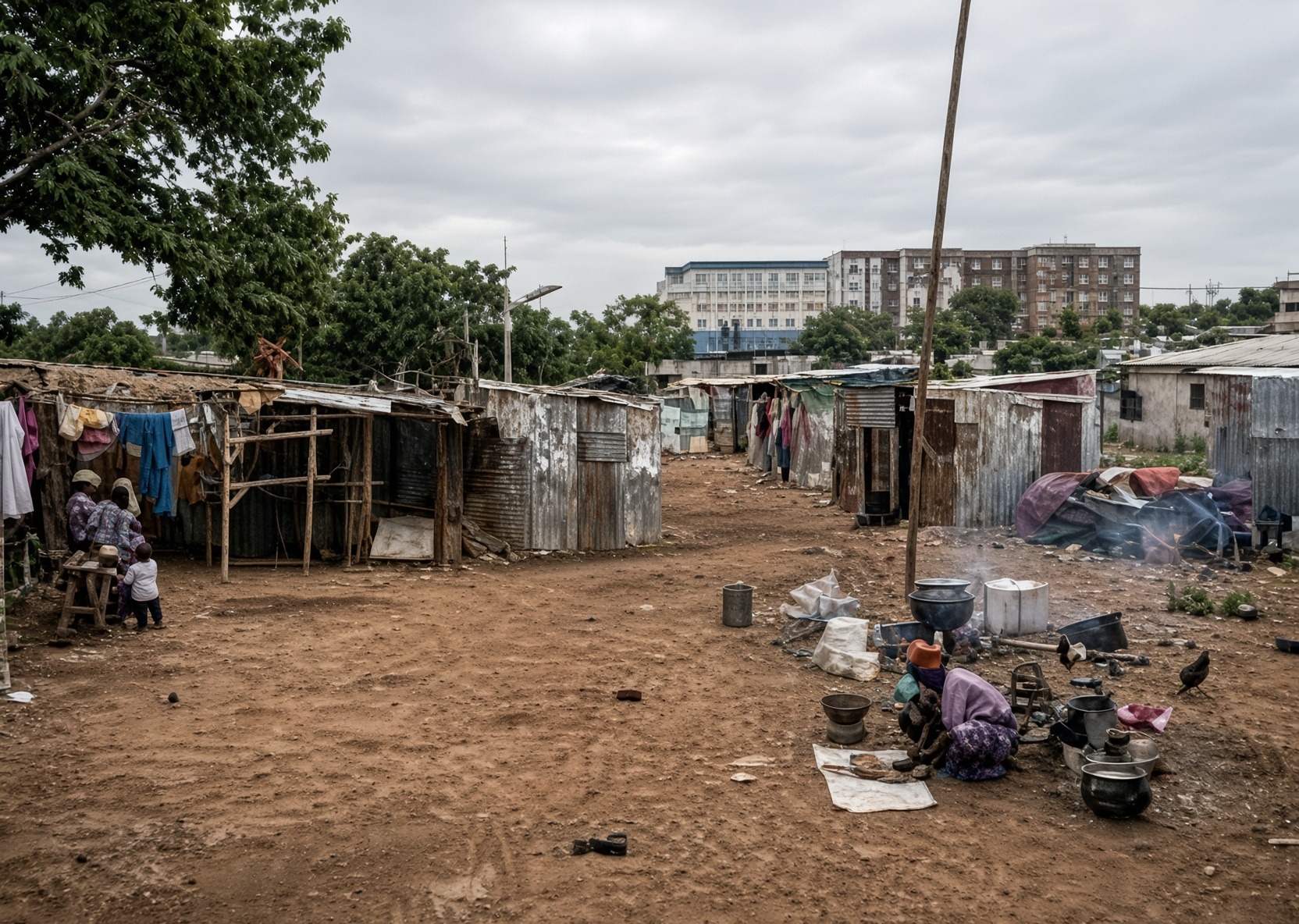
For Nigerians forced from their homes by years of armed violence, the country’s upcoming presidential election is about more than politics. It is a chance to demand answers over security.
Thousands of internally displaced people living in camps around Abuja continue to carry the consequences of violence that has swept through parts of northern Nigeria.
Many residents say insecurity remains one of their biggest concerns, with some having lost homes, relatives and livelihoods to attacks by jihadist groups and armed gangs.
The crisis has also expanded beyond traditional conflict areas, with militant activity spreading into parts of north-western and north-central Nigeria. Kidnapping has become another major threat, adding to fears among communities already struggling to rebuild their lives.
For voters in the camps, security is closely linked to economic hardship. Rising prices following the removal of the fuel subsidy have made daily life increasingly difficult, while many displaced families remain dependent on charities and limited assistance.
The government has defended its economic reforms and announced measures aimed at strengthening the security forces, including higher military salaries and police reforms. But residents affected by violence say they have yet to see meaningful improvements in their circumstances.
That frustration could influence voting patterns as President Bola Ahmed Tinubu seeks another term.
Opposition figures, including Atiku Abubakar and Peter Obi, are seeking to turn dissatisfaction over insecurity and living costs into electoral support. However, their decision to contest separately could once again divide voters opposed to the governing party.
For displaced Nigerians, the election represents a rare opportunity to hold political leaders accountable.
Their demands are straightforward: greater security, affordable living conditions and meaningful government support.
As campaigning intensifies, their votes could become an important measure of whether promises made in Abuja translate into change for communities living on the margins of the capital.