


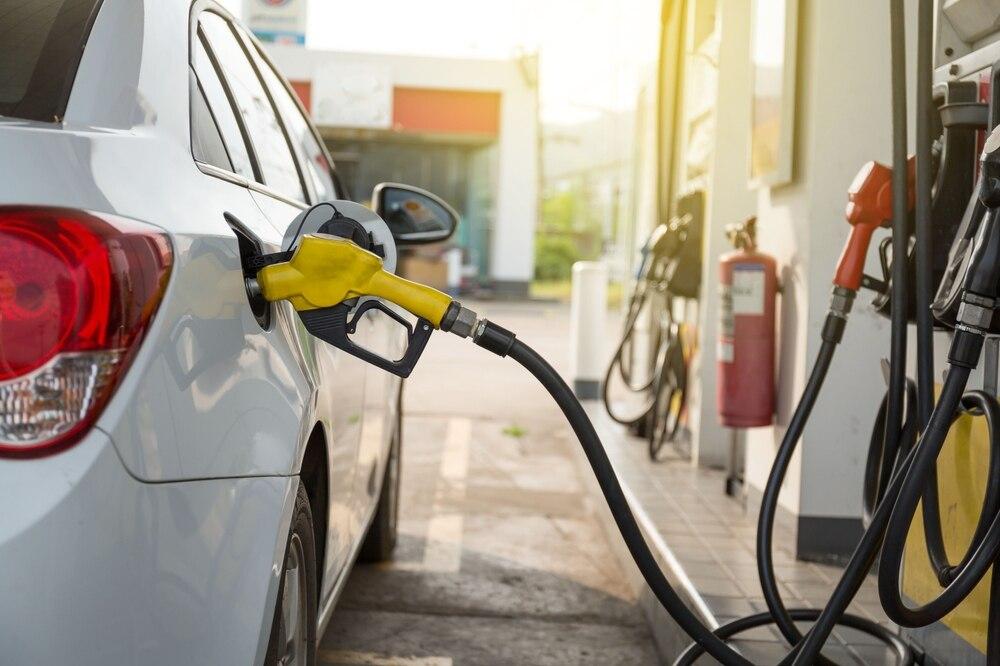
South African households could face another round of financial pressure if international oil prices remain above $100 a barrel, with the impact likely to extend far beyond the cost of filling up at the petrol station.
Brent crude is trading at around $101 a barrel, as the ongoing conflict in the Middle East and the closure of the Strait of Hormuz continue to raise concerns about global energy supplies.
A sustained increase in crude oil prices could translate into higher fuel costs for South African motorists, while businesses face rising expenses linked to transportation, logistics and production.
The pressure could eventually filter through to the prices of everyday goods and services as companies seek to recover higher operating costs.
This could leave consumers facing a difficult balancing act, with more money needed for transport and basic necessities at a time when household budgets are already under strain.
Inflation could come under renewed pressure
The latest oil shock also raises concerns about the broader inflation outlook.
Core inflation has increased from 3% in February to 4.2% in July, adding to concerns that persistent increases in fuel and other input costs could push inflation higher in the coming months.
If higher oil prices continue to feed through into the economy during August and September, the pressure could complicate efforts to keep inflation within the South African Reserve Bank’s target range.
Higher inflation could also influence the direction of interest rates, potentially increasing the likelihood of a rate hike at the Reserve Bank’s September meeting.
For consumers, the combination of higher fuel prices, more expensive goods and the possibility of increased borrowing costs could create a significant cost-of-living squeeze.
The extent of the impact will depend largely on how long crude prices remain above $100 a barrel and whether the disruption to oil supplies through the Strait of Hormuz continues.
If the oil price spike proves temporary, some of the pressure could ease. But a prolonged disruption could turn higher fuel costs into a much broader economic challenge for South African households and businesses.