


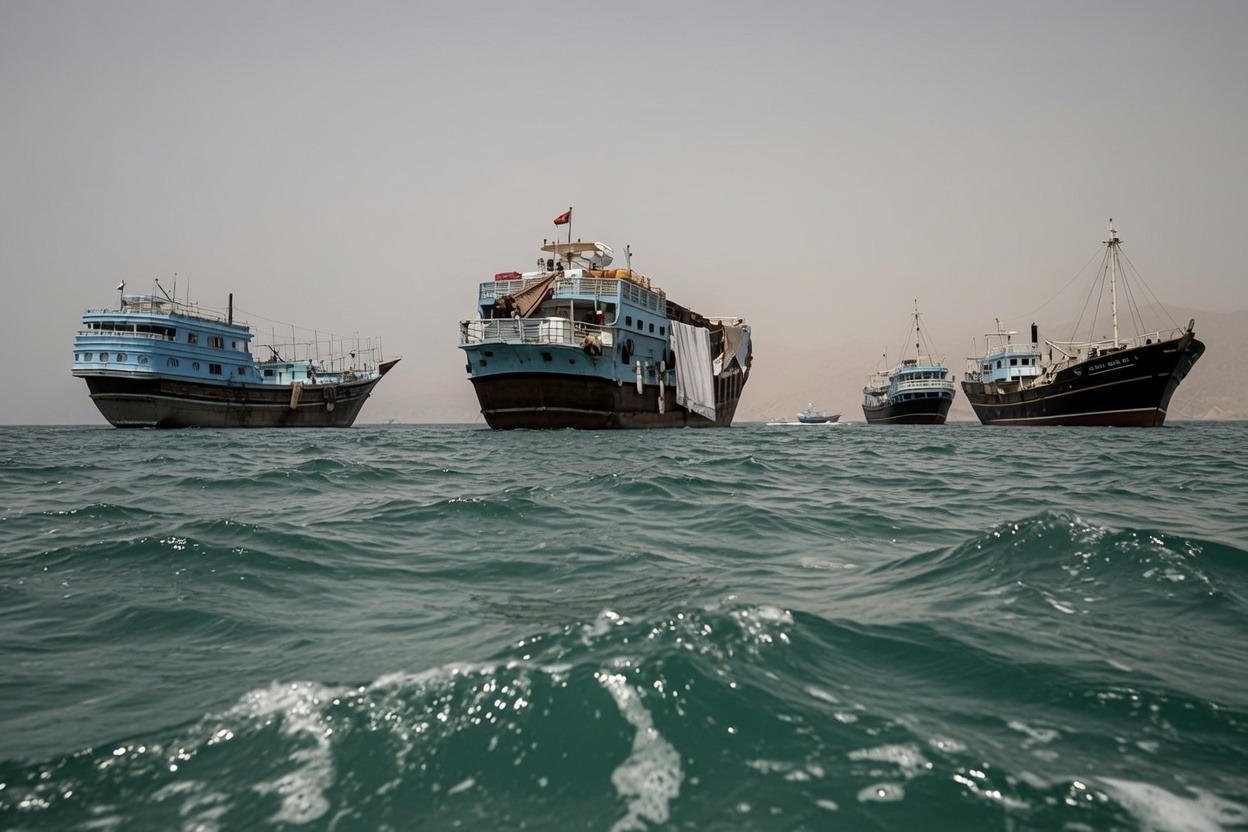
The future of one of the world’s most important energy routes remains uncertain as Iran says the Strait of Hormuz will not reopen until the United States meets additional conditions.
Iranian Foreign Minister Abbas Araqchi said on Sunday that an agreement with Oman on new shipping lanes through the strait was in its final stages. However, he made clear that the agreement would only take effect once Tehran’s outstanding conditions were addressed.
The development places renewed focus on the strategic importance of the Strait of Hormuz, through which a significant share of the world’s oil and liquefied natural gas shipments traditionally passes.
A US official said on Friday that an agreement between Iran and Oman was close and could pave the way for the reopening of the waterway.
However, Tehran’s position suggests that agreeing on alternative shipping routes will not, on its own, resolve the wider dispute between Iran and Washington.
Araqchi said Iran and the United States are not directly negotiating and that Tehran would not begin talks while Washington remains in breach of an interim agreement signed in June. Messages between the two sides are instead being exchanged through intermediaries.
US President Donald Trump, meanwhile, said Washington was “low-keying” its engagement with Iran, describing the current situation as only “semi-negotiating”.
The uncertainty surrounding the strait could have wider implications for international energy markets. Any prolonged disruption to shipping through the waterway could affect oil and gas supplies, shipping costs and global markets.
For now, Iran’s proposed agreement with Oman signals progress towards establishing alternative shipping arrangements, but the reopening of the Strait of Hormuz remains tied to the broader standoff between Tehran and Washington.