


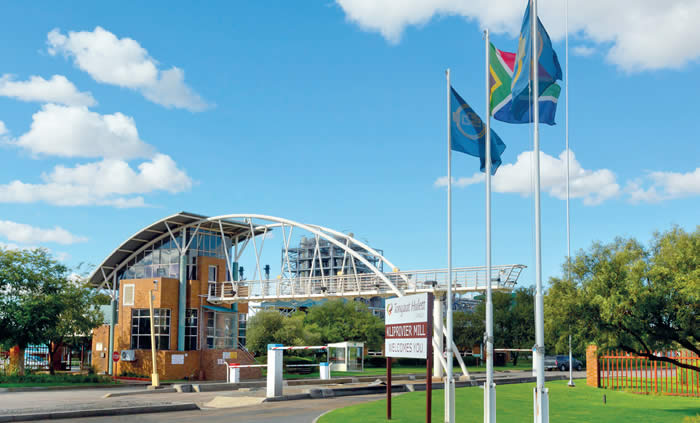
South Africa’s sugar industry is facing renewed uncertainty after Tongaat Hulett instructed sugarcane growers to stop delivering cane to its mills, raising concerns about the livelihoods of farmers, agricultural workers and businesses dependent on the sector.
The instruction, which takes effect from Wednesday, follows the failure of a R350 million bridging finance facility from the Industrial Development Corporation (IDC) to materialise.
The funding setback has pushed Tongaat Hulett closer to winding down its South African sugar operations, threatening to disrupt an agricultural value chain that supports thousands of livelihoods, particularly in KwaZulu-Natal.
For sugarcane growers, the immediate concern is no longer simply the future of Tongaat Hulett, but whether they will be able to sell their harvested cane and receive payment for supplies already delivered.
Growers Face Mounting Financial Pressure
The suspension of cane deliveries comes at a difficult time for growers who rely on regular payments to cover farming expenses, including wages, fertiliser, fuel, equipment and loan repayments.
Tongaat Hulett had previously indicated that approximately R500 million would be paid to growers in November, with further payments expected in December.
However, these commitments are now uncertain following the failure of the bridging finance arrangement.
Chief executive Gavin Dalgleish said the company could no longer guarantee when, or whether, the funding would become available.
Although the IDC had approved the R350 million facility, it remained subject to conditions, including confirmation of how the development financier would be repaid.
Without the funding, growers face uncertainty over payments and the ability to continue supplying sugarcane.
KwaZulu-Natal Sugar Industry Faces Further Uncertainty
Tongaat Hulett’s difficulties have wider implications for KwaZulu-Natal’s agricultural economy, where sugarcane production supports farming communities, transport operators, mill employees and other businesses.
A prolonged shutdown of milling operations could leave growers with limited options for processing harvested cane, potentially creating further financial pressure across the industry.
The impact could extend beyond farming households to rural businesses that depend on agricultural activity and the movement of sugarcane from farms to processing facilities.
The company’s planned wind-down will prioritise the safety of employees, growers and contractors, as well as securing its mills, equipment and sugar stocks.
Vision Group Rescue Deal Under Pressure
Despite the latest setback, efforts to finalise the proposed sale of Tongaat Hulett to the Vision Group are continuing.
The transaction has been viewed as a possible route towards stabilising the company and protecting economic activity linked to its operations.
Tongaat Hulett has been under business rescue since October 2022, following years of financial difficulties.
The collapse of the bridging finance arrangement adds urgency to the rescue process, particularly as the company faces immediate operational and financial obligations.
The IDC had been expected to provide short-term support while a longer-term solution was pursued.
The Bigger Question for South Africa’s Sugar Industry
The crisis highlights the vulnerability of agricultural supply chains when major processors experience financial distress.
For sugarcane growers, access to mills is essential because harvested cane must be processed within a relatively short period. Disruptions to milling operations can therefore create problems that extend beyond delayed payments.
The future of Tongaat Hulett is consequently significant not only for its employees and creditors but also for the wider agricultural economy.
Whether the Vision Group transaction can be completed and alternative funding secured will be critical to determining the future of the company’s operations and the growers who depend on them.
For now, the suspension of sugarcane deliveries leaves farmers and rural communities facing another period of uncertainty.