



The city of Johannesburg has placed its estimated R220 billion infrastructure backlog at the centre of its R97.1 billion budget for the 2026/27 financial year.
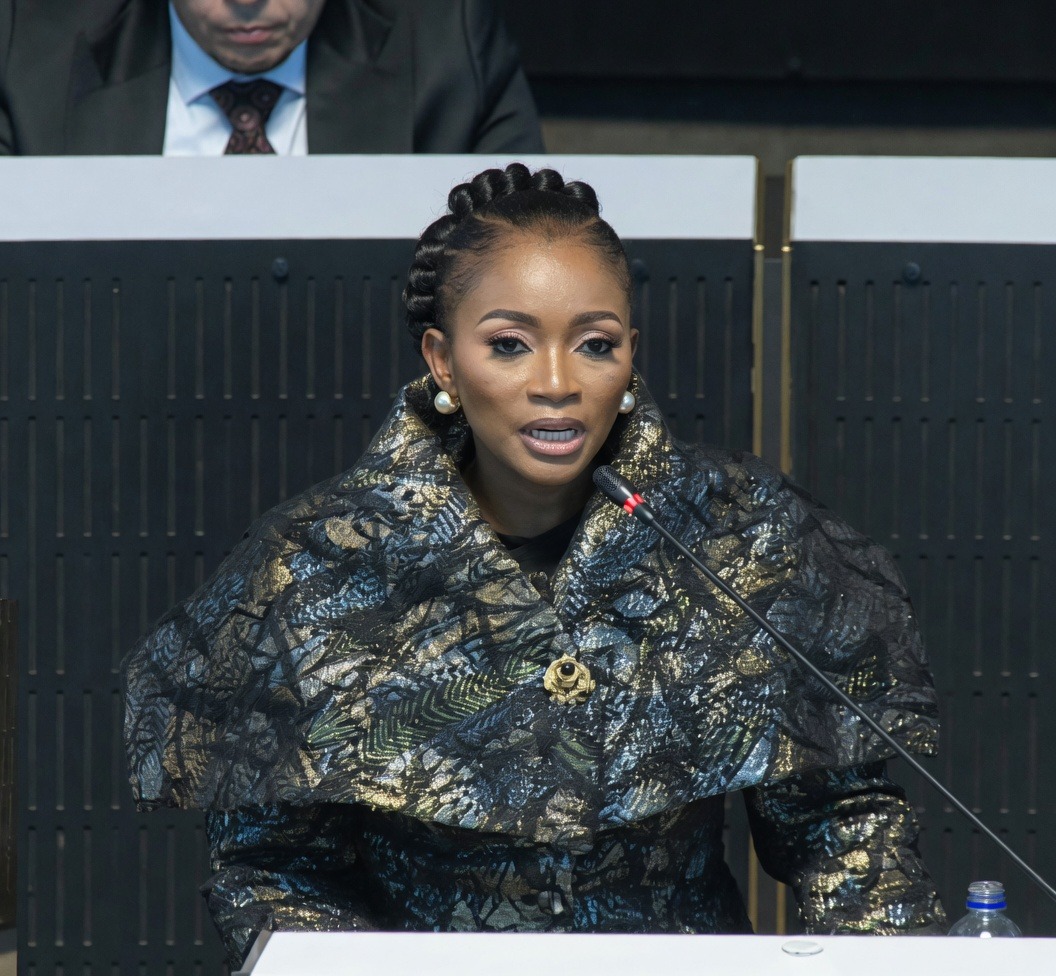
Tabling the budget at the Connie Bapela Council Chamber, Executive Deputy Mayor and Finance MMC Loyiso Masuku warned that the metro could not “budget its way out” of its infrastructure crisis using municipal resources alone.
She highlighted the scale of deterioration across the city’s systems, noting that non-revenue water losses stand at 44.7%, while electricity losses have reached 27%, posing a serious risk to service delivery and economic stability.
The budget outlines operating revenue of R90.4 billion against expenditure of R88.3 billion, resulting in a projected surplus of R2.1 billion before taxation and capital grants. Capital investment has been set at R8.8 billion for 2026/27, rising to R25.3 billion over the medium term.
Central to the financial plan is the Metro Trading Services Reform programme, described as the city’s most significant institutional restructuring effort. It targets key utilities including City Power, Johannesburg Water and Pikitup, all of which have faced governance challenges, declining revenue collection and ageing infrastructure.
Masuku said the city would pursue new financing models and public–private partnerships, acknowledging that municipal revenue alone would be insufficient to reverse decades of underinvestment.
Among the highlighted projects are a R5.4 billion data centre investment by Microsoft, a R7 billion waste-to-energy partnership, and the R760 million Midrand Bulk Water Storage Facility in Midrand.
To stabilise infrastructure, the city plans to increase maintenance spending from 7% to 8% of revenue. However, residents will face higher tariffs driven by bulk increases from Eskom and Rand Water. Electricity tariffs are set to rise by an average of 9.01%, while property rates will increase by 3.6%.
Masuku defended the increases as necessary to balance affordability with infrastructure sustainability and service delivery reform. She also reaffirmed commitments to protect vulnerable households through free basic services and targeted rebates for pensioners and indigent residents.
The budget, delivered ahead of the 2026 local government elections, is being positioned as a long-term roadmap to restore Johannesburg’s status as a “world-class African city” through structural reform and infrastructure recovery.

