


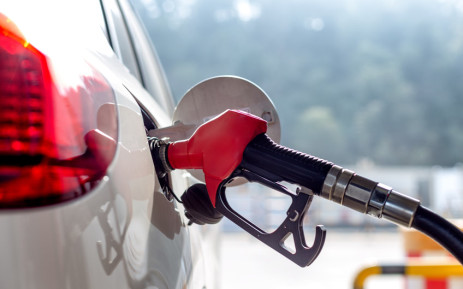
Motorists across South Africa are being urged to remain vigilant when refuelling amid a sharp rise in the sale of adulterated diesel, commonly referred to as “dirty fuel”.
Criminal networks are illegally blending standard diesel with cheaper substances such as illuminating paraffin and other hydrocarbons, before selling the compromised fuel at unusually low prices to attract cost-conscious drivers.
The Department of Mineral Resources and Energy (DMRE) first flagged the scale of the issue following inspections conducted between April and December 2023, which identified around 70 petrol stations nationwide selling diesel contaminated with paraffin.
In June 2025, a joint operation by the South African Revenue Service (SARS) and law enforcement agencies resulted in multiple arrests and the seizure of approximately two million litres of adulterated fuel. More recently, Bidvest Protea Coin uncovered over 100 suspected illicit fuel depots across Gauteng, Mpumalanga, North West and Limpopo using aerial surveillance.
The surge comes as diesel prices hit record highs, driven by global oil market volatility and ongoing tensions in the Middle East. Because diesel is not regulated at retail level, unscrupulous traders are able to undercut legitimate suppliers. Fuel adulteration is estimated to cost the national fiscus around R3.6 billion annually in lost tax revenue.
According to the Fuels Industry Association of South Africa, the scam involves mixing cheaper, often tax-exempt substances like paraffin with diesel to maximise profit margins while deceiving consumers. In some cases, the paraffin is chemically treated to evade detection.
Serious risks to vehicles
Using contaminated diesel can cause severe engine damage, including clogged fuel injectors, wear to critical engine components, reduced performance, excessive smoke, and increased fuel consumption. In extreme cases, it may lead to complete engine failure — often not covered by vehicle warranties.
Early warning signs include difficulty starting the engine, longer warm-up times, rough idling, and unusual noises. Repair costs can run into tens of thousands of rand.
How motorists can protect themselves
Drivers are advised to avoid unusually cheap diesel, refuel only at reputable branded stations, retain receipts, and monitor vehicle performance after filling up. Suspicious activity should be reported to the DMRE or local authorities.
With diesel prices expected to rise further in May 2026, motorists are cautioned against chasing short-term savings that could result in costly long-term damage. Choosing trusted fuel suppliers remains the safest option.