



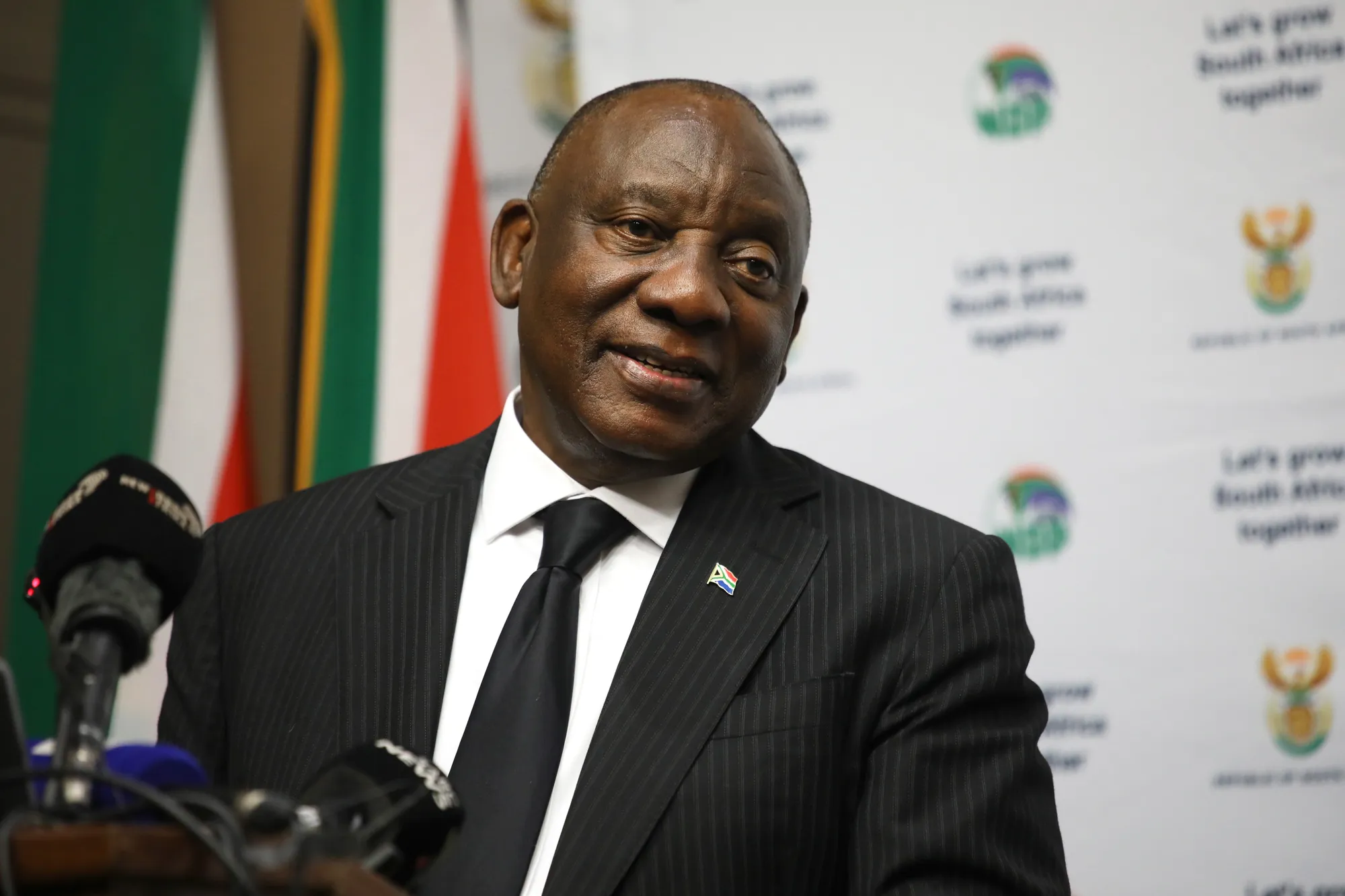
President Cyril Ramaphosa has acknowledged that much more needs to be done before the majority of South Africans can fully enjoy the benefits of democracy.
Launching the Milestones of Freedom Campaign at the Union Buildings in Pretoria on Thursday, Ramaphosa described the initiative as a renewed commitment to ensuring that the gains of democracy reach as many South Africans as possible, particularly the black majority who endured centuries of oppression under colonialism and apartheid.
The President said the campaign would provide an opportunity for South Africans to reflect on the country’s democratic journey, honour those who fought for freedom and recommit to the values that shaped the democratic dispensation.
“Over the course of the next year, our nation will together remember where we have come from. We will honour those who carried us here. And we will renew the promise we made to one another at the dawn of our democracy,” Ramaphosa said.
He stressed that freedom should extend beyond the right to vote and translate into improved living conditions and opportunities for all citizens.
While highlighting the progress made since 1994, Ramaphosa acknowledged that many South Africans continue to face significant challenges.
“There are still South Africans who go to bed hungry, still young people without work, still communities living in fear of criminals. There are still South Africans waiting for the dignity that freedom promised,” he said.
Over the coming months, government will commemorate key milestones achieved during South Africa’s democratic era as part of the campaign.
Ramaphosa also pushed back against claims that life was better under apartheid, arguing that democratic South Africa has made substantial strides despite ongoing social and economic difficulties.
He pointed to expanded access to electricity, clean water, housing, healthcare, education and social grants as evidence of progress over the past three decades.
The President further highlighted advances in gender equality, noting that women now occupy leadership positions across government, the judiciary, business and academia, while access to education for girls has significantly improved since the advent of democracy.