



Business leaders in Mahikeng have raised concerns about systemic government bottlenecks and delayed payments for services rendered to provincial government entities, saying the problems are pushing small, medium and micro enterprises (SMMEs) towards financial collapse.
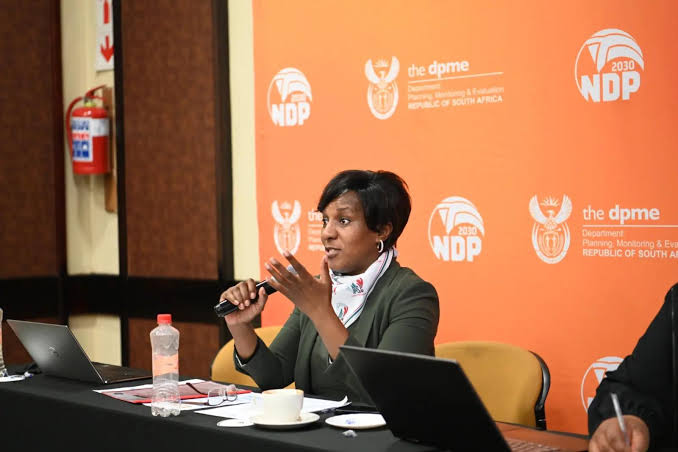
The challenges, including alleged non-compliance by some provincial government entities with regulations requiring valid invoices to be paid within 30 days, were raised during a meeting with Deputy Public Protector Advocate Dinkie Dube on Wednesday.
Speaking on YOU FM Newshour, Dube said the engagement was aimed at gathering first-hand accounts of payment delays affecting businesses that provide services to government.
“During our engagement today with business leaders from the mining, transport, taxi and scholar transport sectors, several critical challenges facing women entrepreneurs were brought to light,” Dube said.
She identified delayed government payments, particularly in the scholar transport sector, as a major concern.
“The immediate consequence of these delays is that operators cannot cover their running costs, which directly threatens their ability to transport learners to school,” she said.
Dube also highlighted barriers facing women seeking to enter the taxi industry, saying systemic obstacles continued to make access to the market difficult.
She said feedback gathered from local businesses formed part of an ongoing systemic investigation by the Office of the Public Protector. A comprehensive report is expected to be released soon and could lead to remedial action against provincial departments found to be in default.
Meanwhile, Dube conducted an unannounced oversight visit to Mahikeng Provincial Hospital to assess the quality of care and challenges experienced by patients.
She said one of the key concerns identified was the need to digitise patient management systems, including the introduction of secure electronic medical records.
Dube said weaknesses in manual filing and record-keeping were affecting the management of patient information.
“As an example, we engaged with a patient who opened a medical file just one week ago, yet upon her return today, staff were unable to locate it. This is a direct consequence of a broken reliance on manual paperwork,” she said.
Dube added that the Office intended to raise the matter formally with the Department of Health, stressing the importance of accelerating the digitisation of systems in the healthcare sector.
The engagements form part of Public Protector South Africa’s Annual Good Governance Month.

