



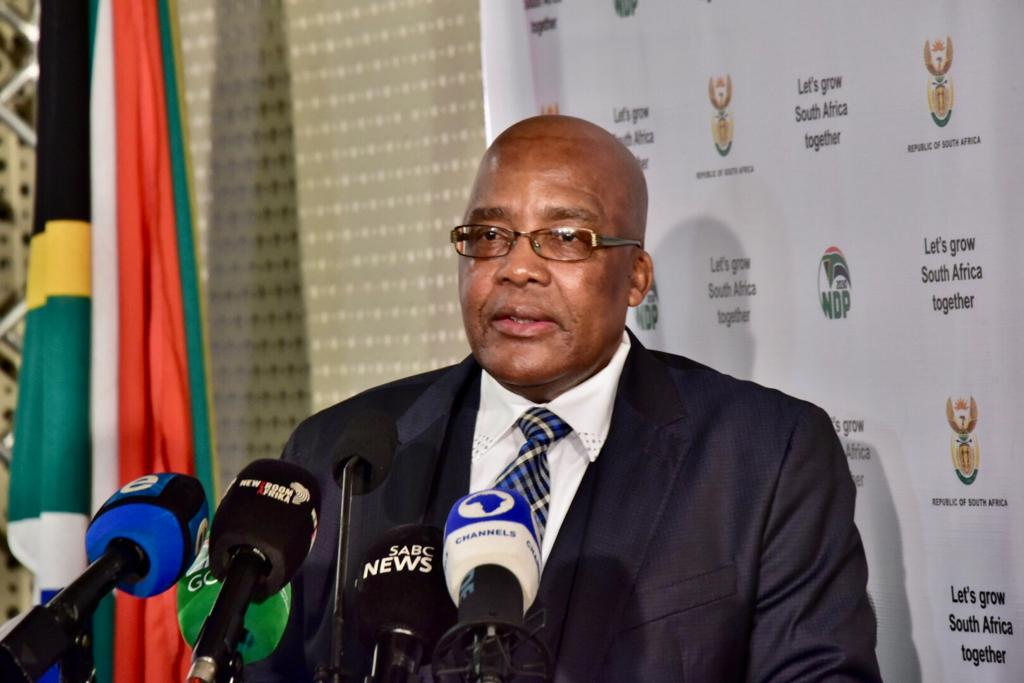
The Minister of Health, Dr Aaron Motsoaledi, has welcomed what he described as the “historic and significant decision” by Jehovah’s Witnesses to change their longstanding position on blood transfusions.
According to Motsoaledi, the religious prohibition on blood transfusions has for decades posed a major challenge to the healthcare system, particularly in emergency and critical care settings.
The Minister was reacting to a decision by the church’s Governing Body that accepting or donating the four main blood components—red blood cells, white blood cells, plasma and platelets—is no longer forbidden by church leadership and is now considered a matter of individual choice rather than a strict prohibition.
“Blood remains sacred to Jehovah’s Witnesses, who continue to regard life and blood as precious gifts from God.
“We recognise that medical decisions involving blood components are a matter of conscience between each Witness and their God, Jehovah. Congregations do not involve themselves in personal decisions that rest with the individual conscience.
“We will continue to respect and support the personal decisions of our fellow believers,” said Jehovah’s Witnesses spokesperson Paul Gillies.
A blood transfusion is a medical procedure in which donated blood or specific blood components are administered to a patient through a vein to replace lost blood or treat various conditions that affect how well the blood functions.
Motsoaledi maintains that blood transfusions are a life-saving intervention that directly address life-threatening deficiencies in oxygen delivery and haemostasis (the stopping of bleeding). They also enable complex medical procedures that would otherwise be unsafe.
“This has saved many millions of lives throughout history. Hence, the prohibition had left doctors frustrated when somebody they could have saved with a simple blood transfusion passed away under their watch.
“The prohibition of blood transfusions on religious grounds had been a thorn in the flesh of the healthcare system for many decades.
“We note that Jehovah’s Witnesses still prohibit transfusions of whole blood, but we wish to reassure the nation that this prohibition is not significant to the healthcare system.
“This is because doctors, hospitals and other healthcare facilities have for decades discouraged the use of whole blood for ordinary transfusions,” explained Motsoaledi.
Motsoaledi commended the church’s decision, noting that it lifts a substantial burden from the shoulders of healthcare workers, many of whom had to resort to the courts to save children from their parents’ religious beliefs.
He highlighted that whole blood is extremely expensive and, in many cases, unnecessary, adding that there are very few circumstances in which whole blood needs to be transfused.

