


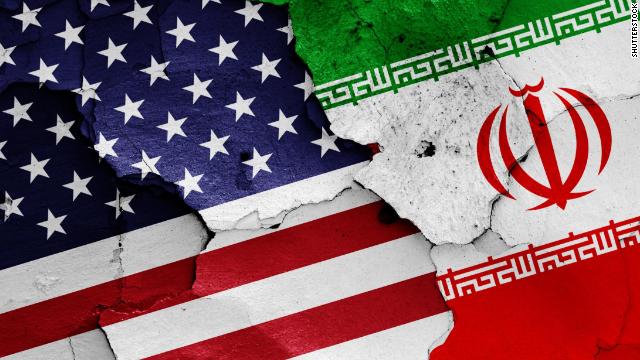
Officials from the United States and Iran convened in Geneva on Thursday, aiming to resolve the long-standing nuclear dispute that has escalated tensions in the Middle East. With the spectre of military action looming following a substantial US military buildup in the region, both parties are hoping to reach a negotiated solution to their enduring stalemate over Tehran’s nuclear ambitions.
This latest round of discussions comes on the heels of renewed negotiations earlier this month, as Washington, European allies, and Israel remain concerned that Iran’s nuclear programme is a front for developing nuclear weapons—a claim that Tehran steadfastly denies.
The high-profile meeting features US Special Envoy Steve Witkoff and Jared Kushner, President Donald Trump’s son-in-law and close advisor. The two American representatives will engage in indirect talks with Iran’s Foreign Minister, Abbas Araqchi, in front of an audience of diplomats, aiming to navigate the complex geopolitical landscape significantly influencing the potential outcomes.
The dialogue has been facilitated by Oman’s Foreign Minister Badr Albusaidi, whose nation has previously played the role of mediator between the two adversaries, underscoring Oman’s pivotal position in fostering regional peace talks.
Trump, in his recent State of the Union address to Congress, outlined the gravity of the situation, positing a delicate balance between diplomatic initiatives and the possibility of confrontation. “We prefer to solve problems through diplomacy,” Trump stated, “but we will not allow Iran to obtain a nuclear weapon.” His remarks reflect a broader strategy of leveraging diplomatic tools while maintaining a firm military posture.
These negotiations occur against a backdrop of escalating tensions that could spiral out of control if not addressed. The implications of these talks are global, as a nuclear-armed Iran would have a profound impact on regional stability and international relations.